Data
- Location
- Museum on Echigo-Tsumari, MonET, Niigata, Japan
- Team
- Megumi Matsubara, Hiroi Ariyama
- Completion year
- 2026
- Exhibition title
- Waterside ENNICHI in MonET
- Exhibition period
- 18 Jul – 8 Nov , 2026
- Commissioner
- Museum on Echigo-Tsumari, MonET
- Curator
- Rintaro Hara / Yu Hara
- Floor area
- 72 sqm
- Collaborators
- Production: Yoshimi Hirose, Shingo Tameso
- Photographers
- Nakamura Osamu
- Urls
- Museum on Echigo-Tsumari, MonET
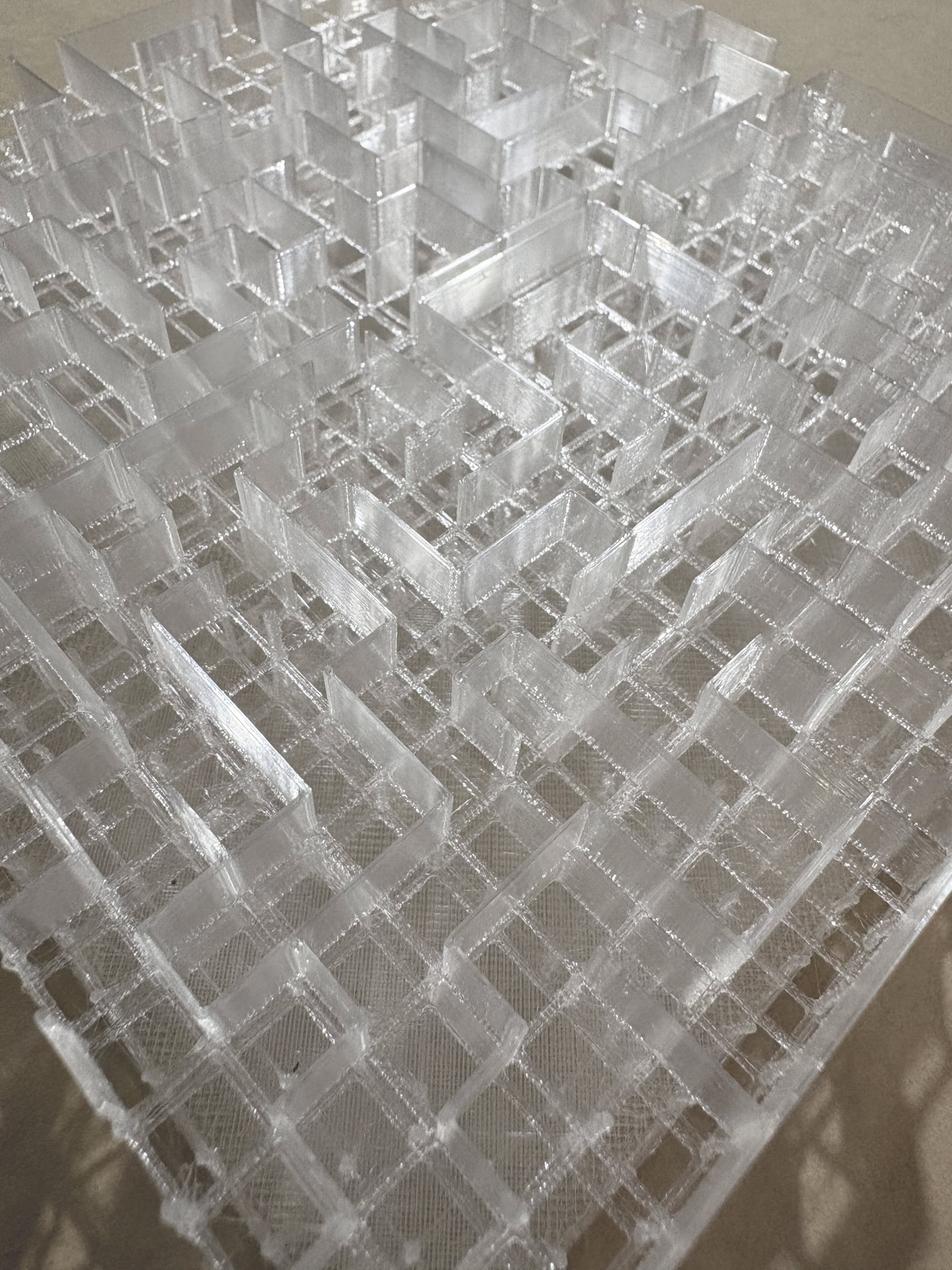
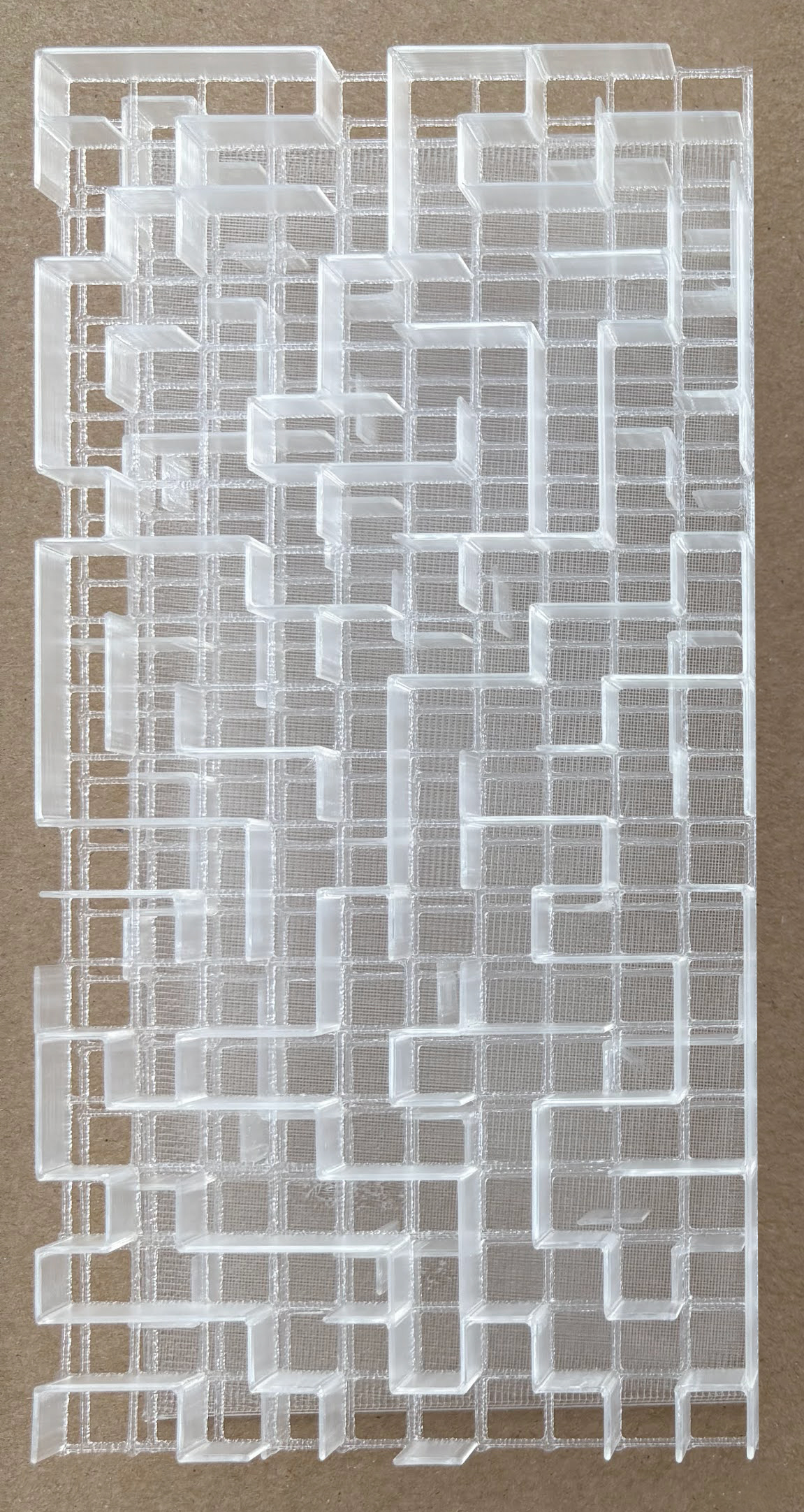
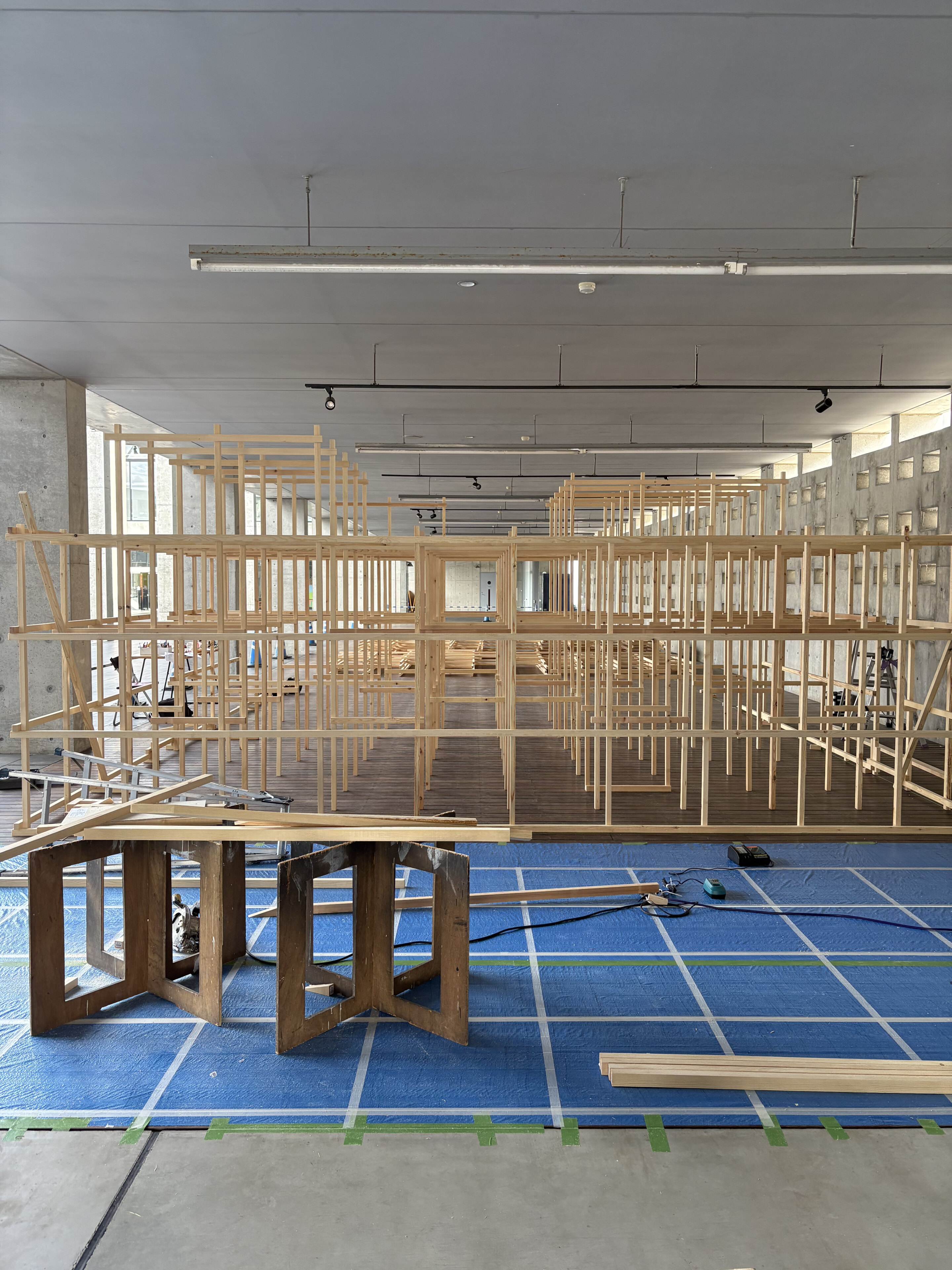
This work presents a spatial condition in which navigation is not shared by a singular geometry, but is instead reorganized by the differential scales of the body itself. The grids and partitions constituting the installation shift delicately along the vertical axis in their transparency, color, and density, generating a field where visibility and mobility bifurcate according to bodily height. Within this environment, architecture refuses to remain a neutral vessel; rather, it functions as an apparatus that mediates perception itself, actively restructuring the framework of spatial awareness. For a body below a certain height, the space manifests with continuity and openness, whereas for a body above that height, the exact same space transforms into a fragmented, complex pathway that forces detours. Transparent panels, far from dissolving this difference, amplify it, creating a subtle misalignment between visual continuity and actual paths of movement.
The work interrogates the underlying assumption of a “shared perception” that operates implicitly between architectural space and its occupants. It quietly dismantles the premise that a singular spatial logic is equally accessible to all bodies, presenting a state in which multiple spatial realities emerge simultaneously within the identical physical structure, yet never coincide. It reveals that perception and understanding are not homogeneously distributed, but instead arise individually through the very mode of bodily existence. Here, inequality operates not as a difference in the given experience, but as the grammar of the space itself. Height becomes not a metric of superiority or inferiority, but a condition that disrupts perception, and visibility no longer guarantees accessibility. Even transparency manifests as a structural divergence between seeing and proceeding.
What emerges through this is not a labyrinth in the conventional sense. Un/Maze is a representation of a decentralized system of cognition embedded within architecture—a spatial apparatus that, together with children, reveals perception itself to be a designable variable.
Images
© ASSISTANT
© ASSISTANT
© ASSISTANT
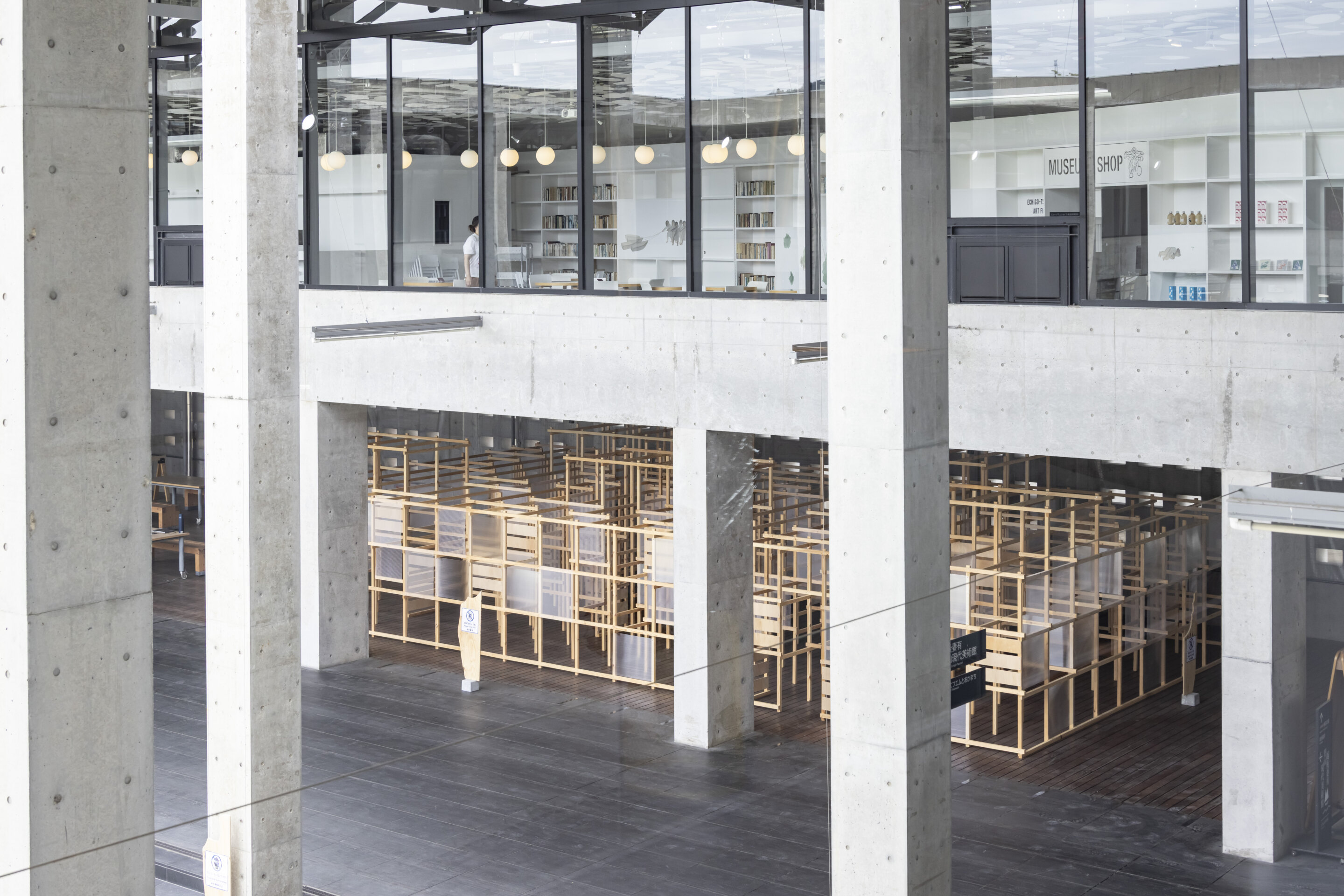
Photo © Nakamura Osamu
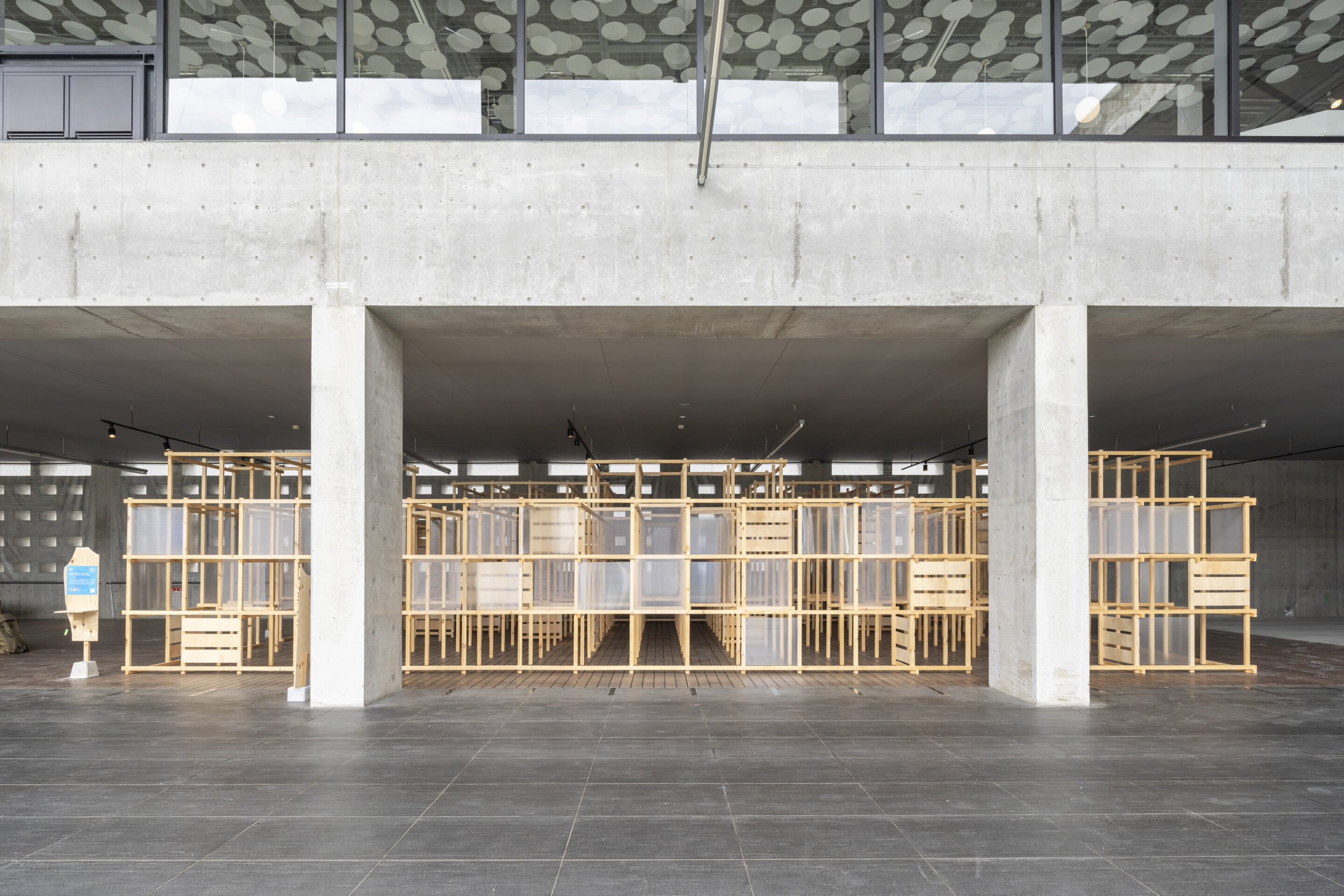
Photo © Nakamura Osamu
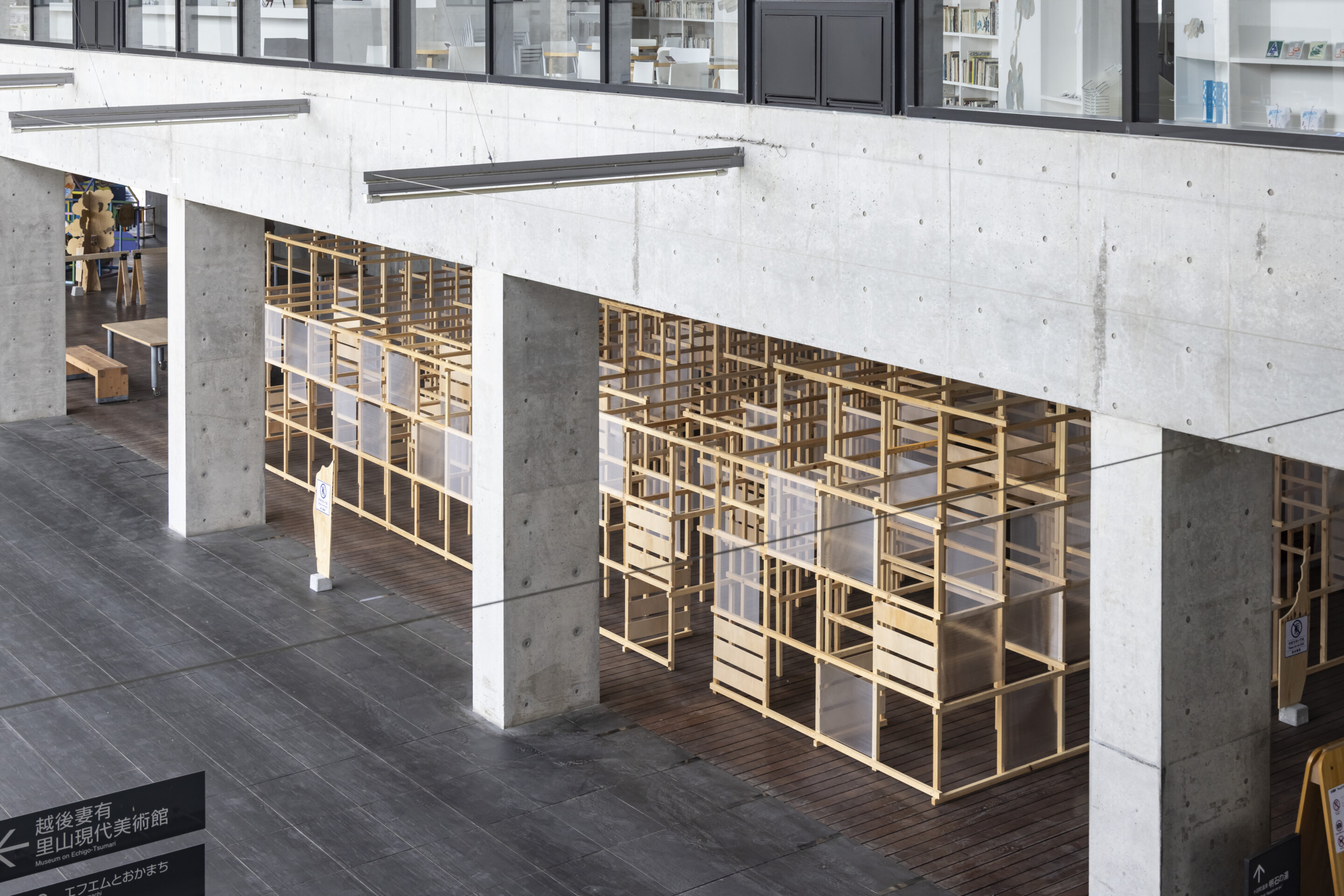
Photo © Nakamura Osamu
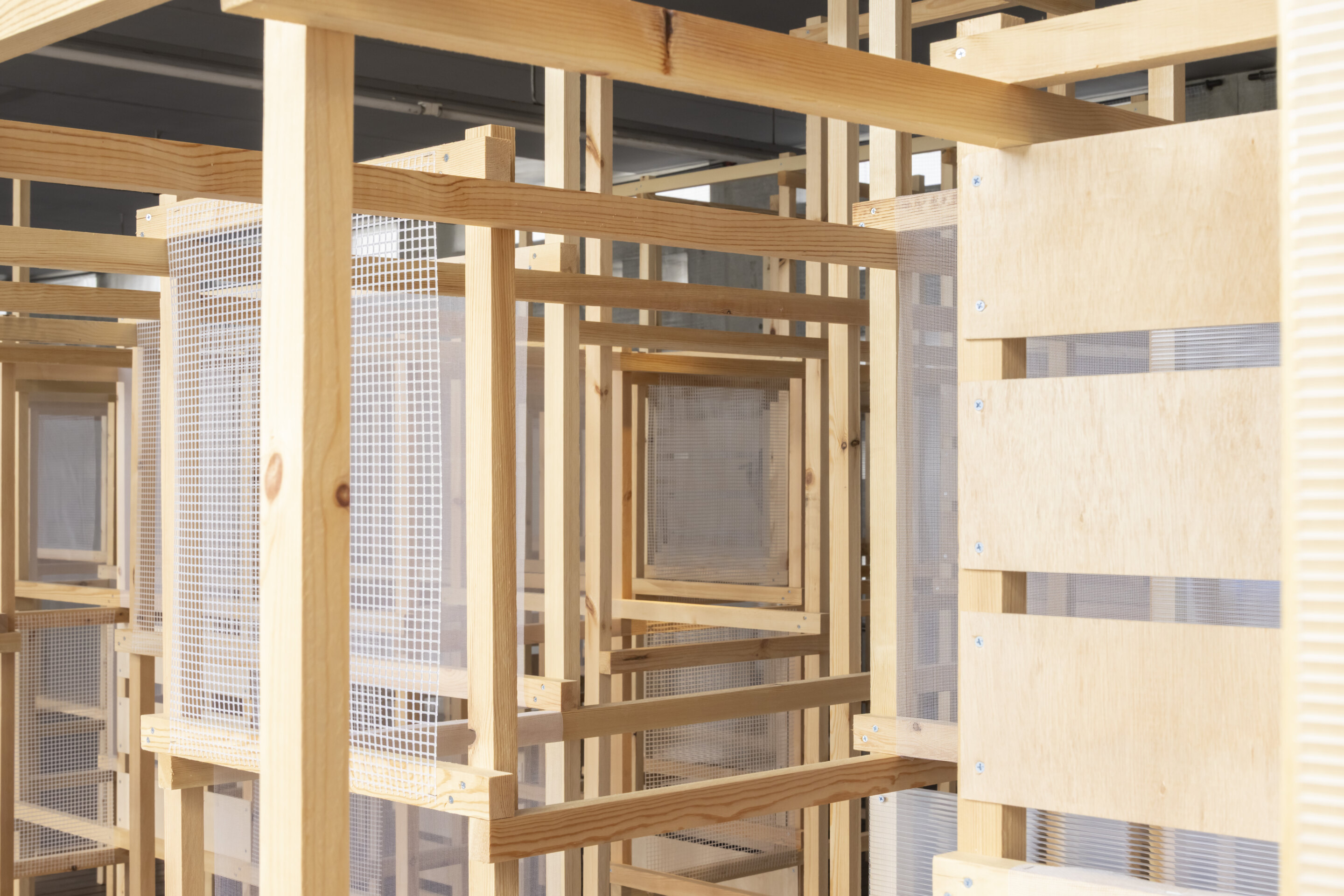
Photo © Nakamura Osamu
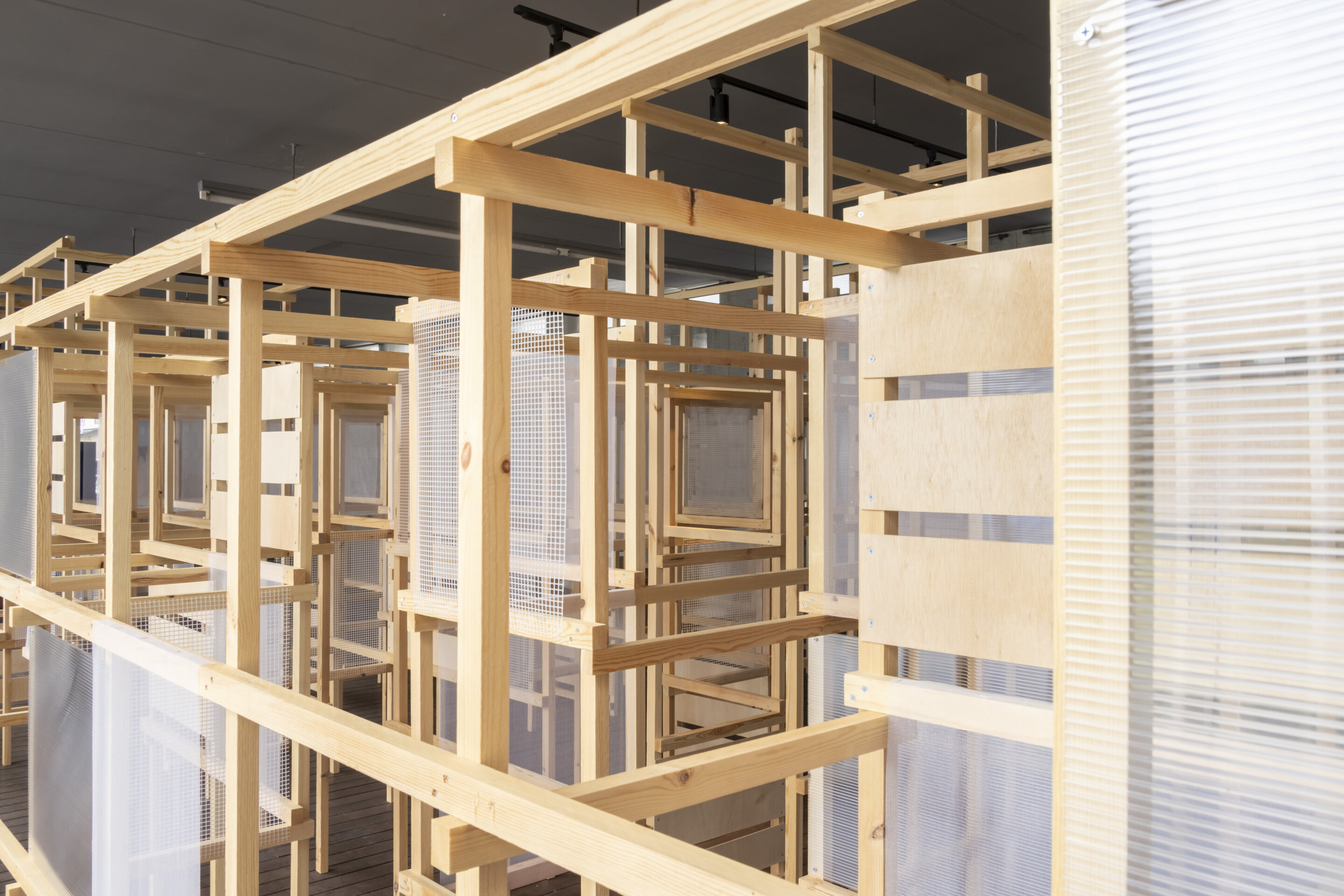
Photo © Nakamura Osamu
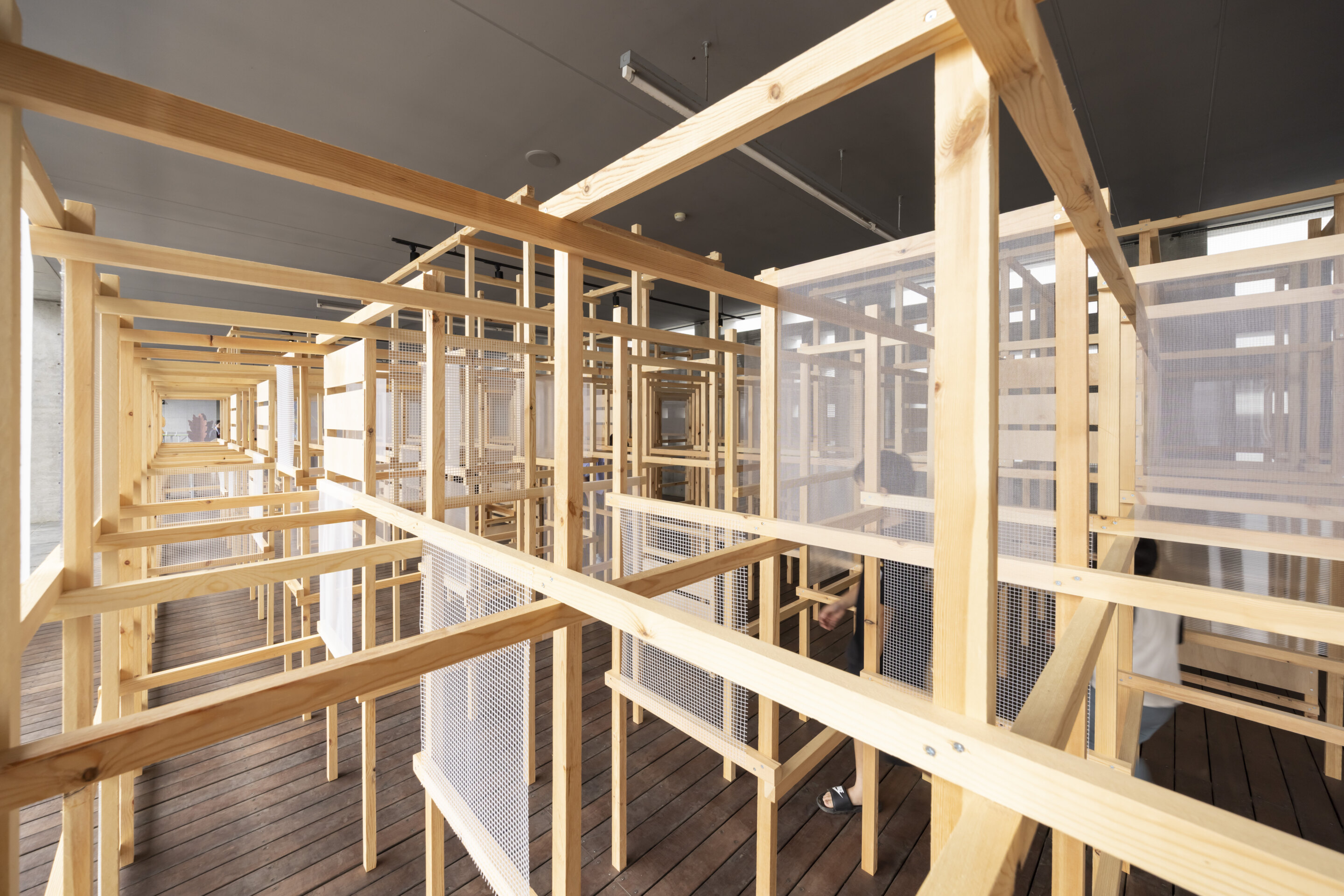
Photo © Nakamura Osamu
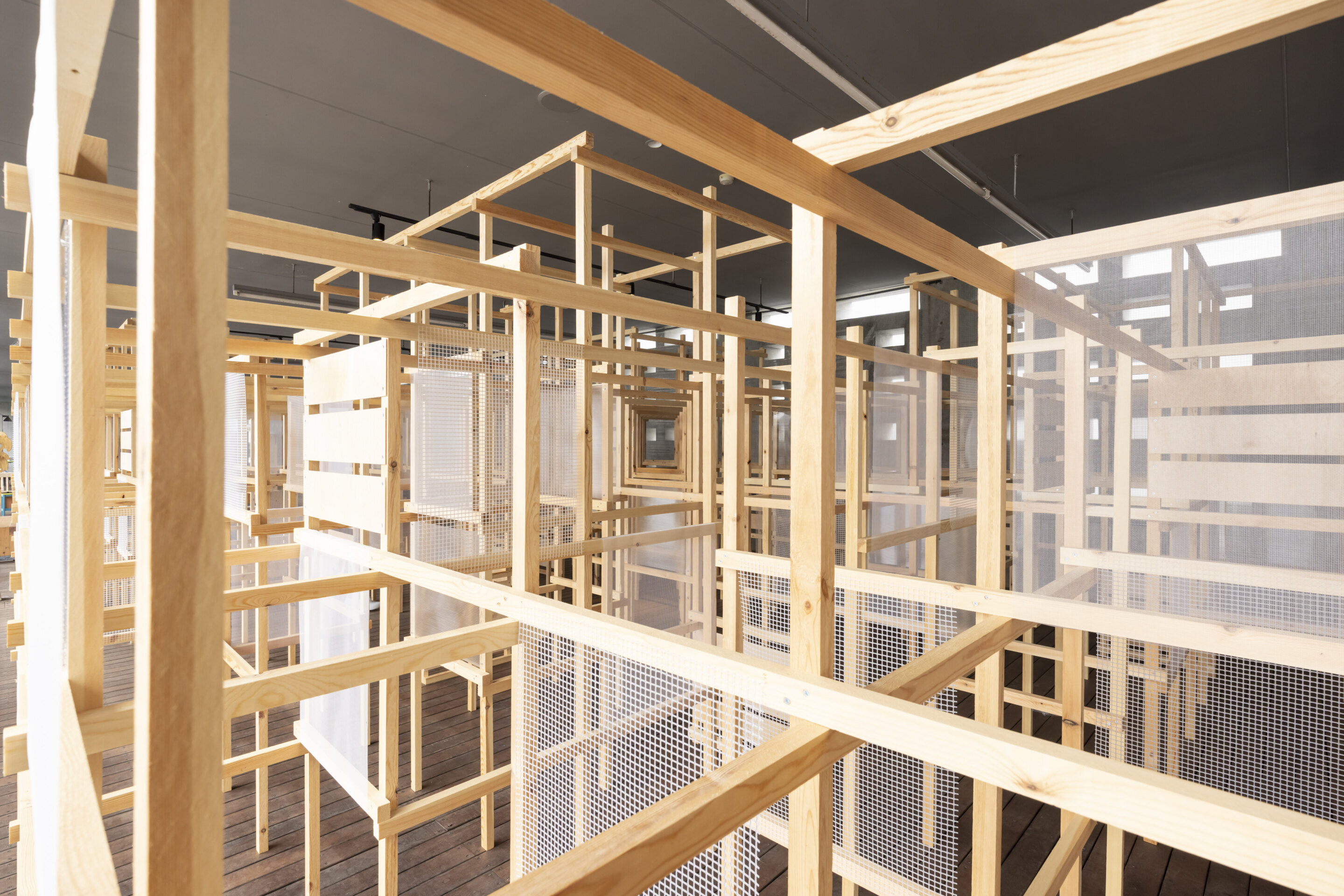
Photo © Nakamura Osamu
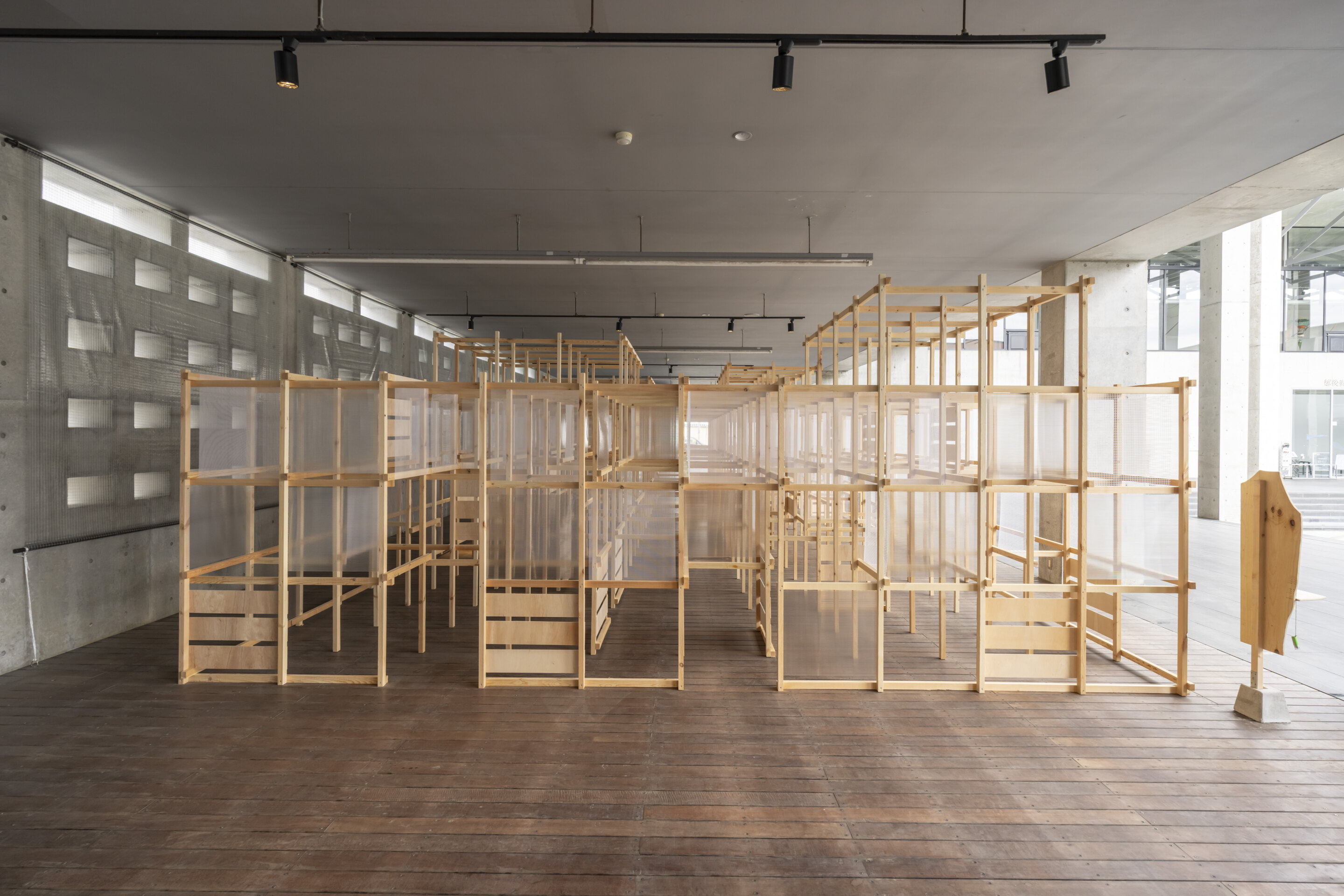
Photo © Nakamura Osamu
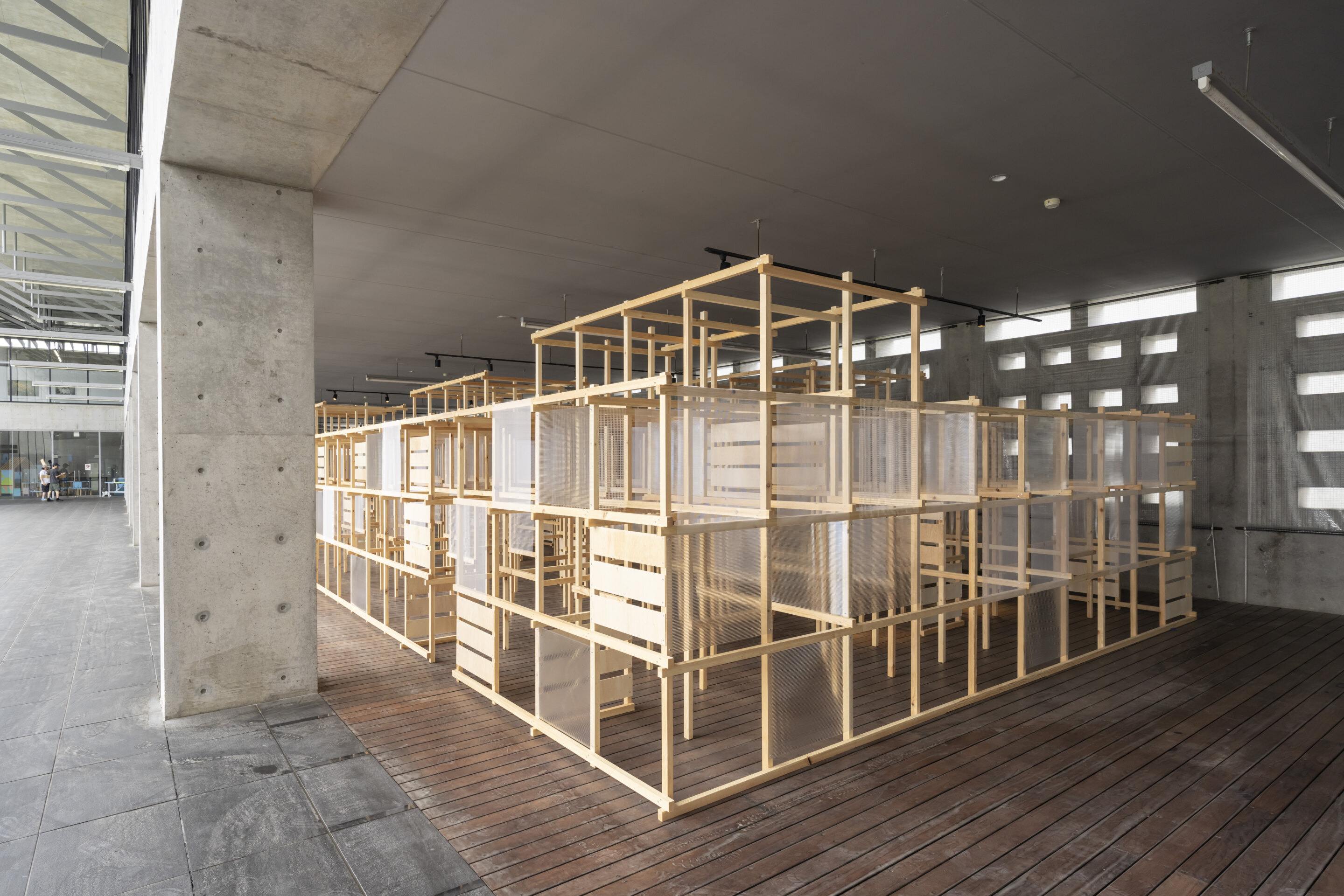
Photo © Nakamura Osamu
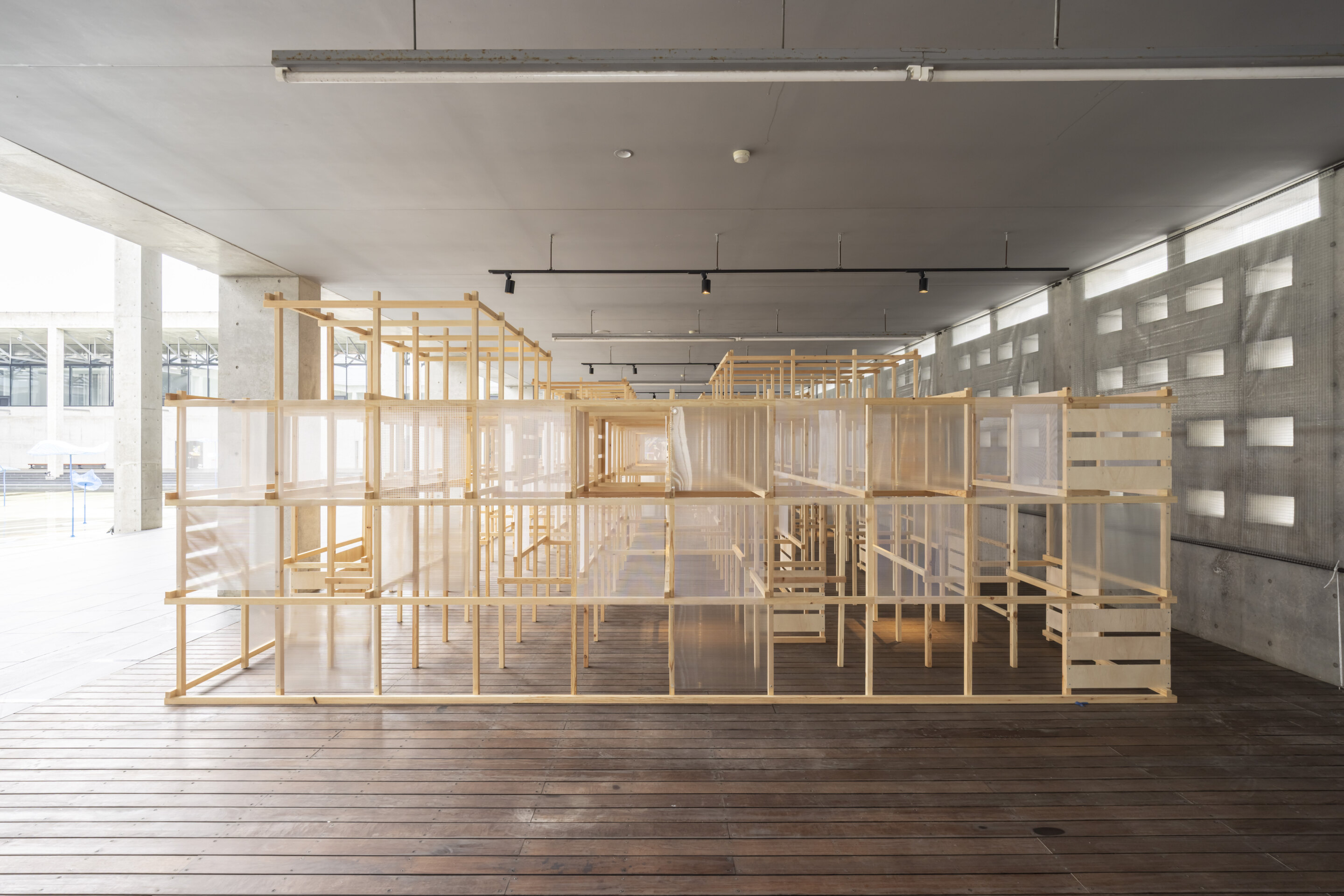
Photo © Nakamura Osamu
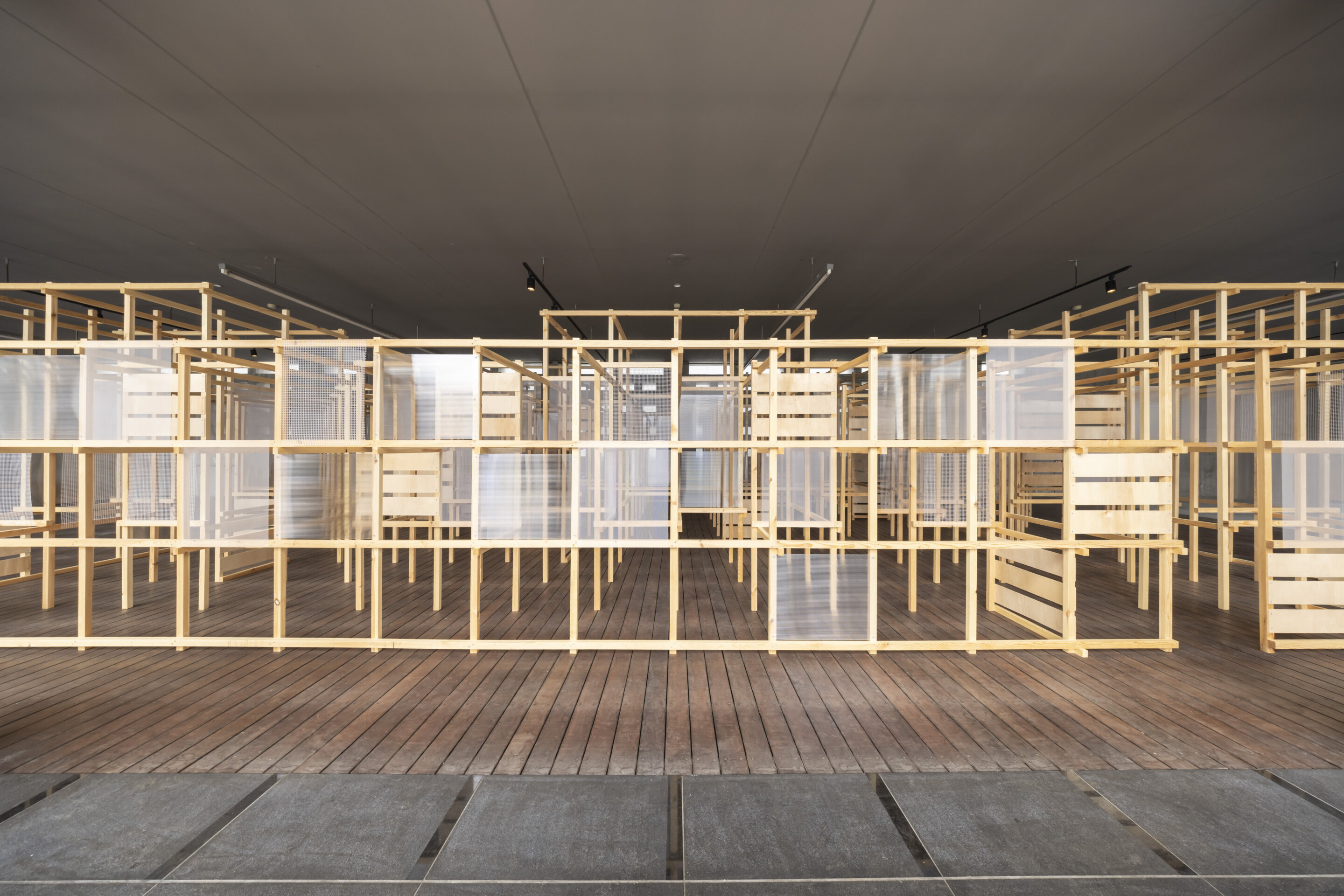
Photo © Nakamura Osamu
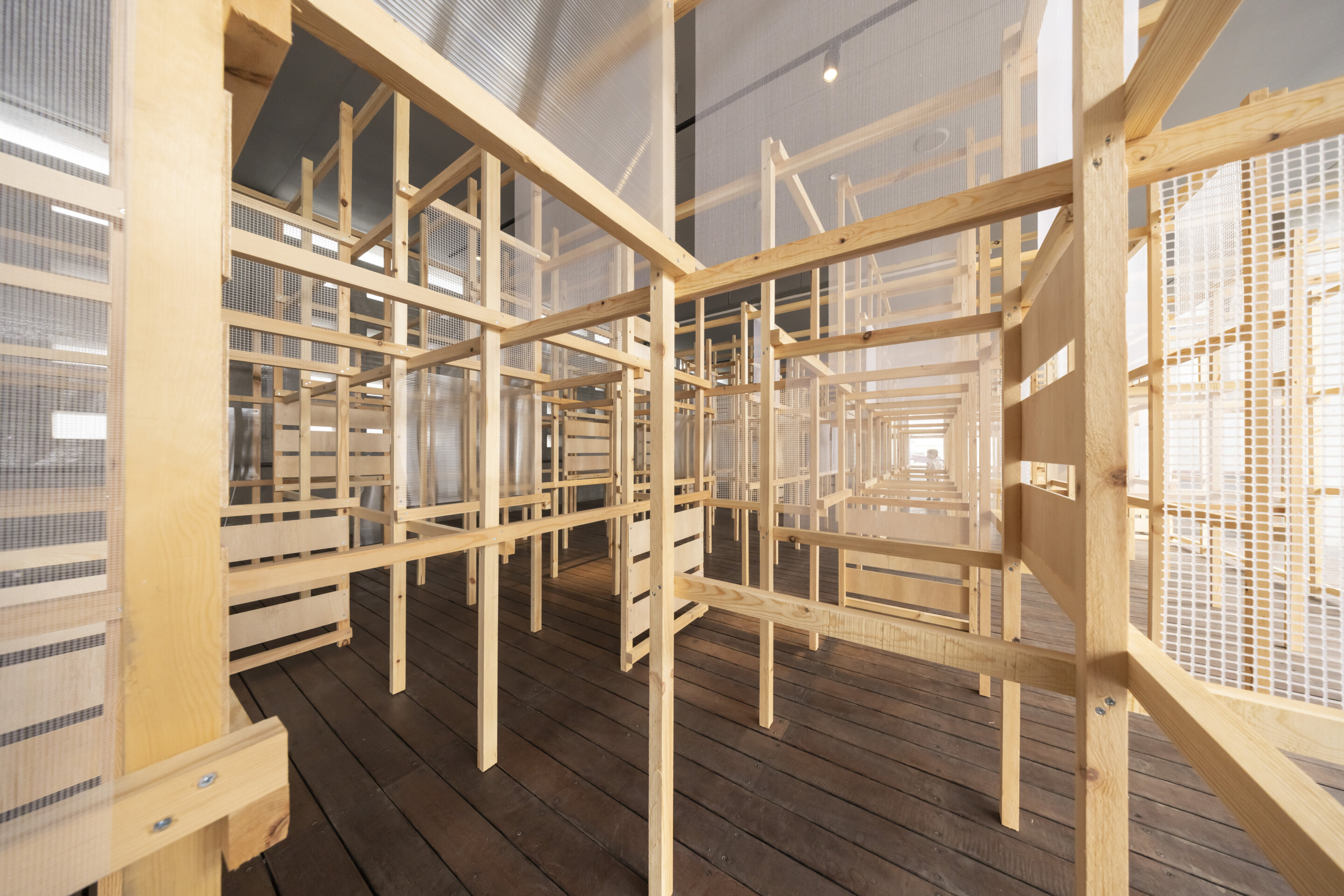
Photo © Nakamura Osamu
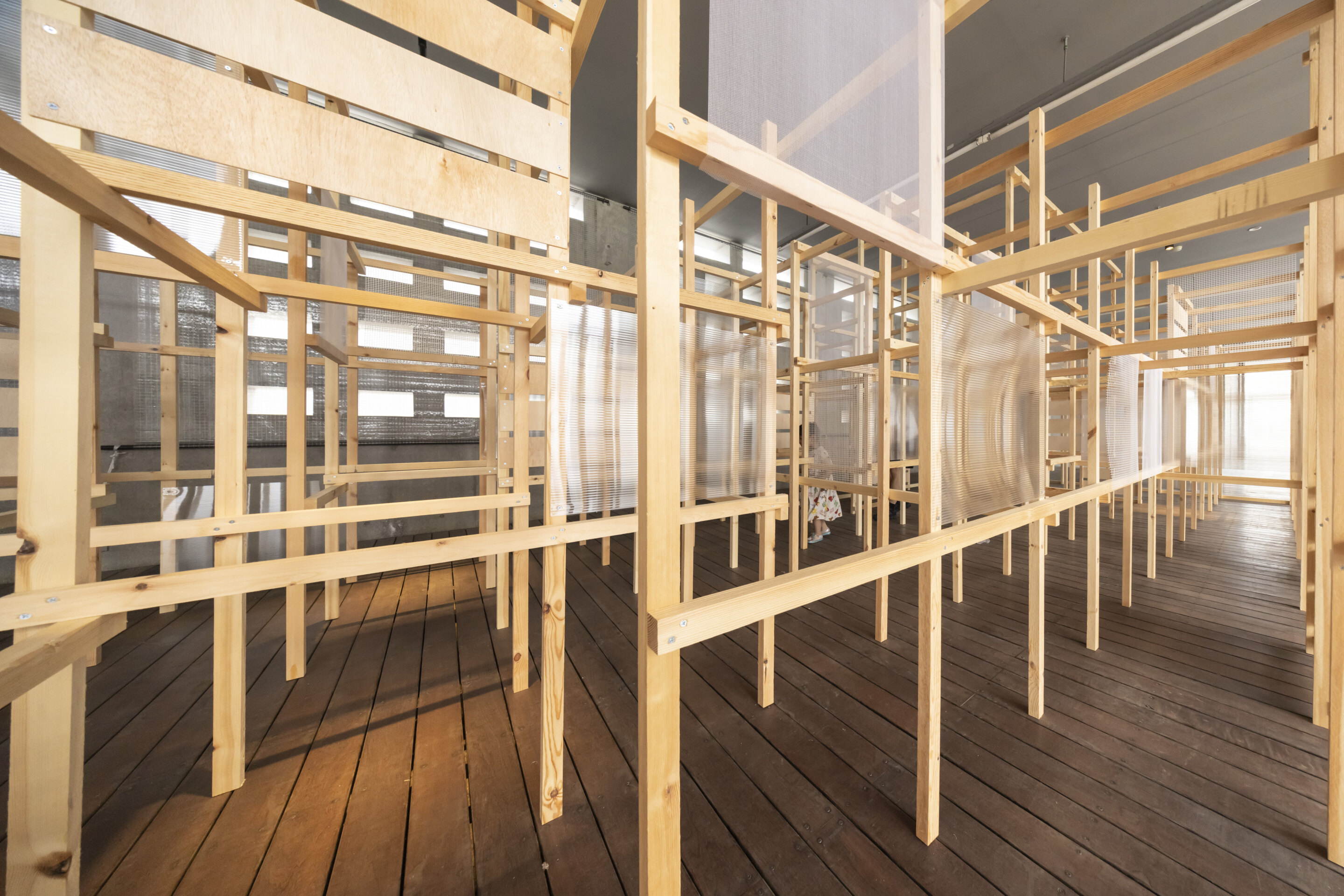
Photo © Nakamura Osamu
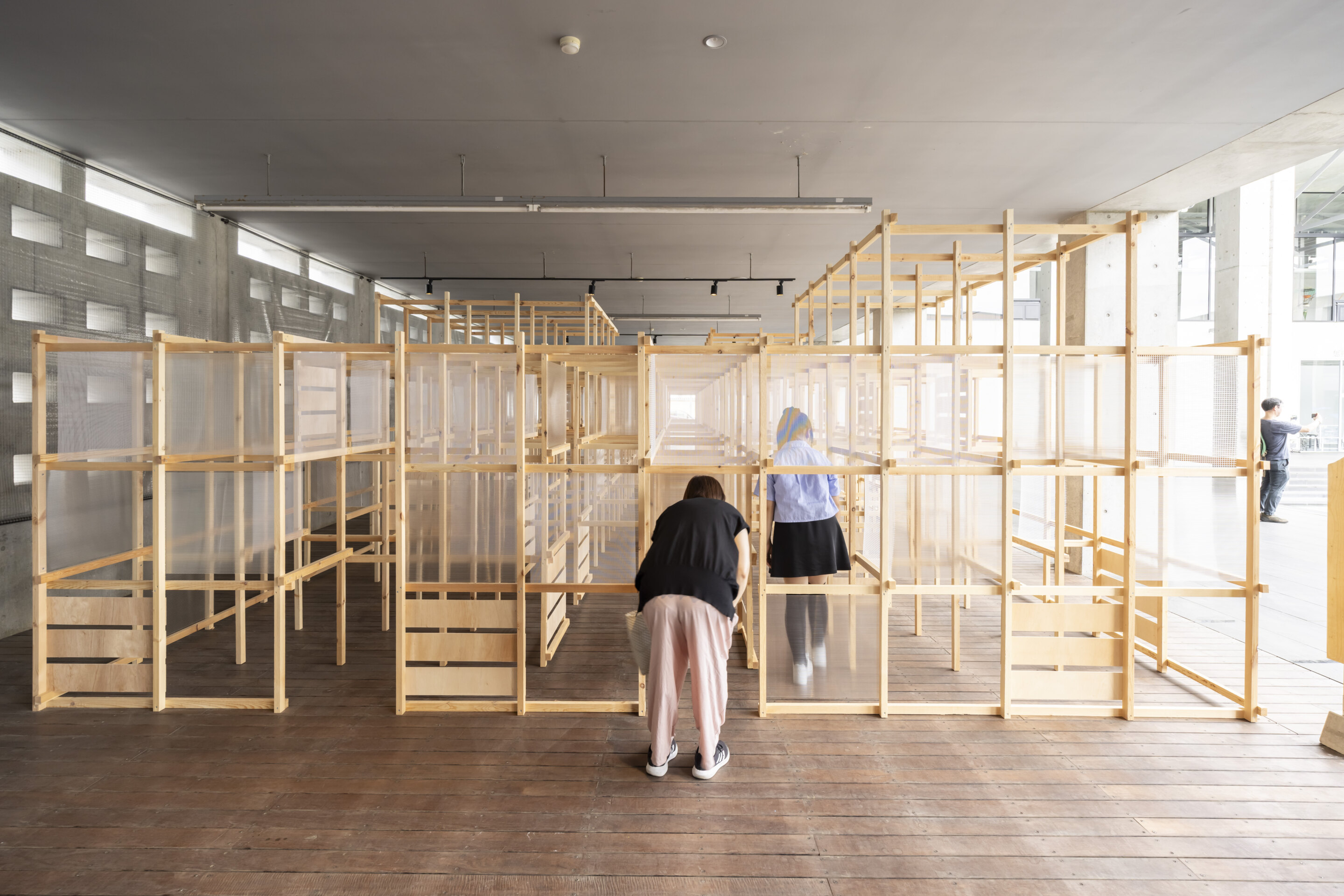
Photo © Nakamura Osamu
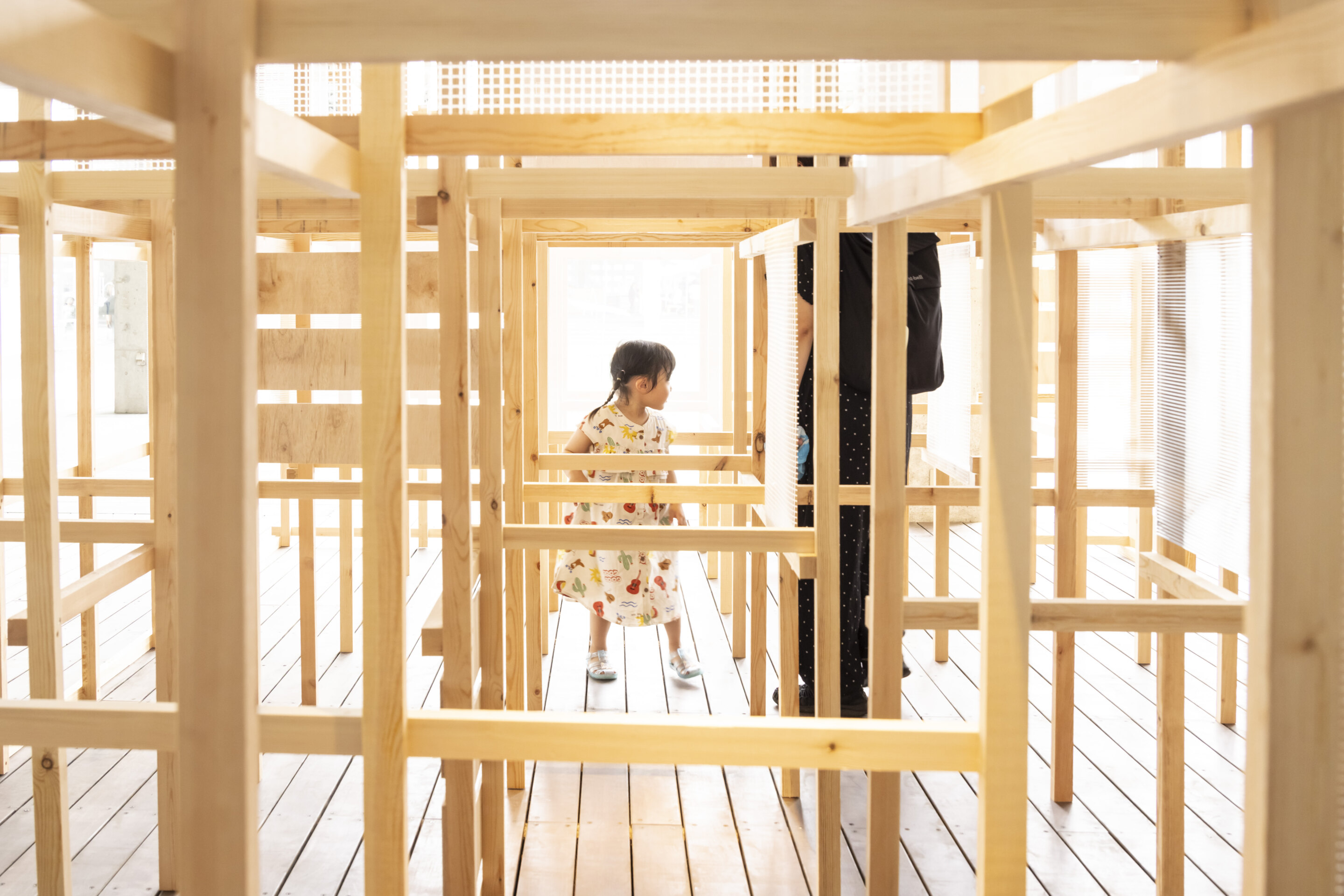
Photo © Nakamura Osamu
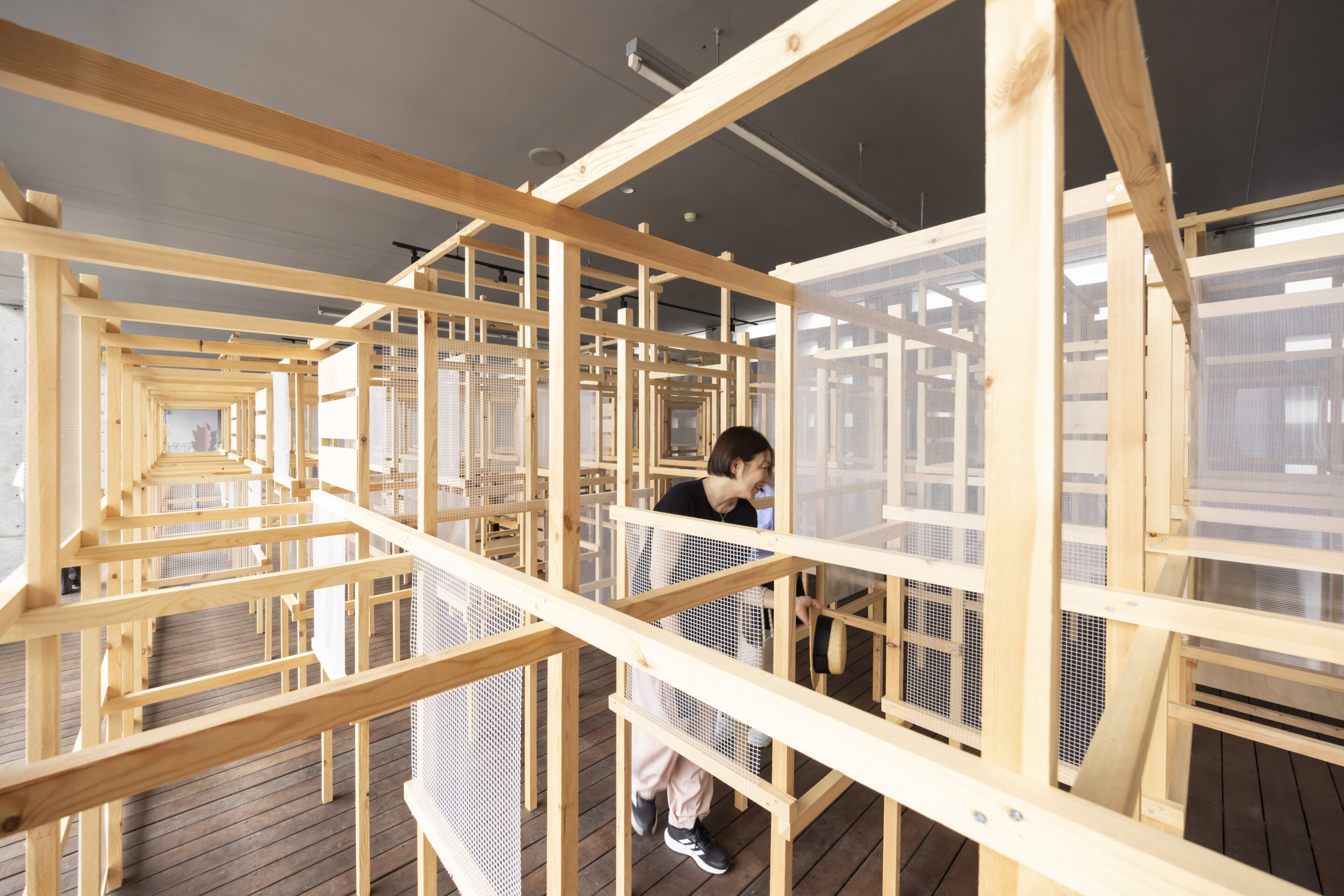
Photo © Nakamura Osamu
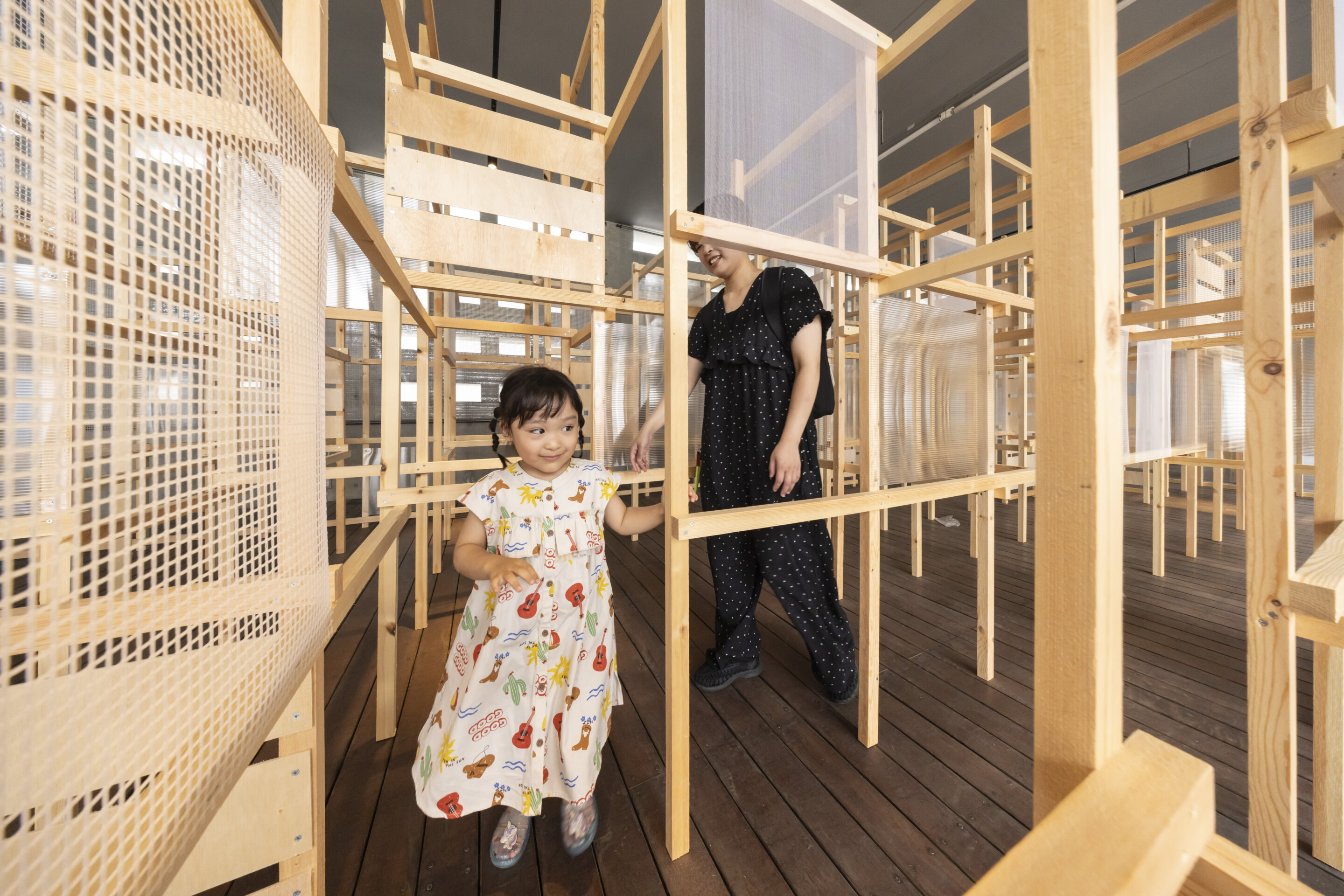
Photo © Nakamura Osamu
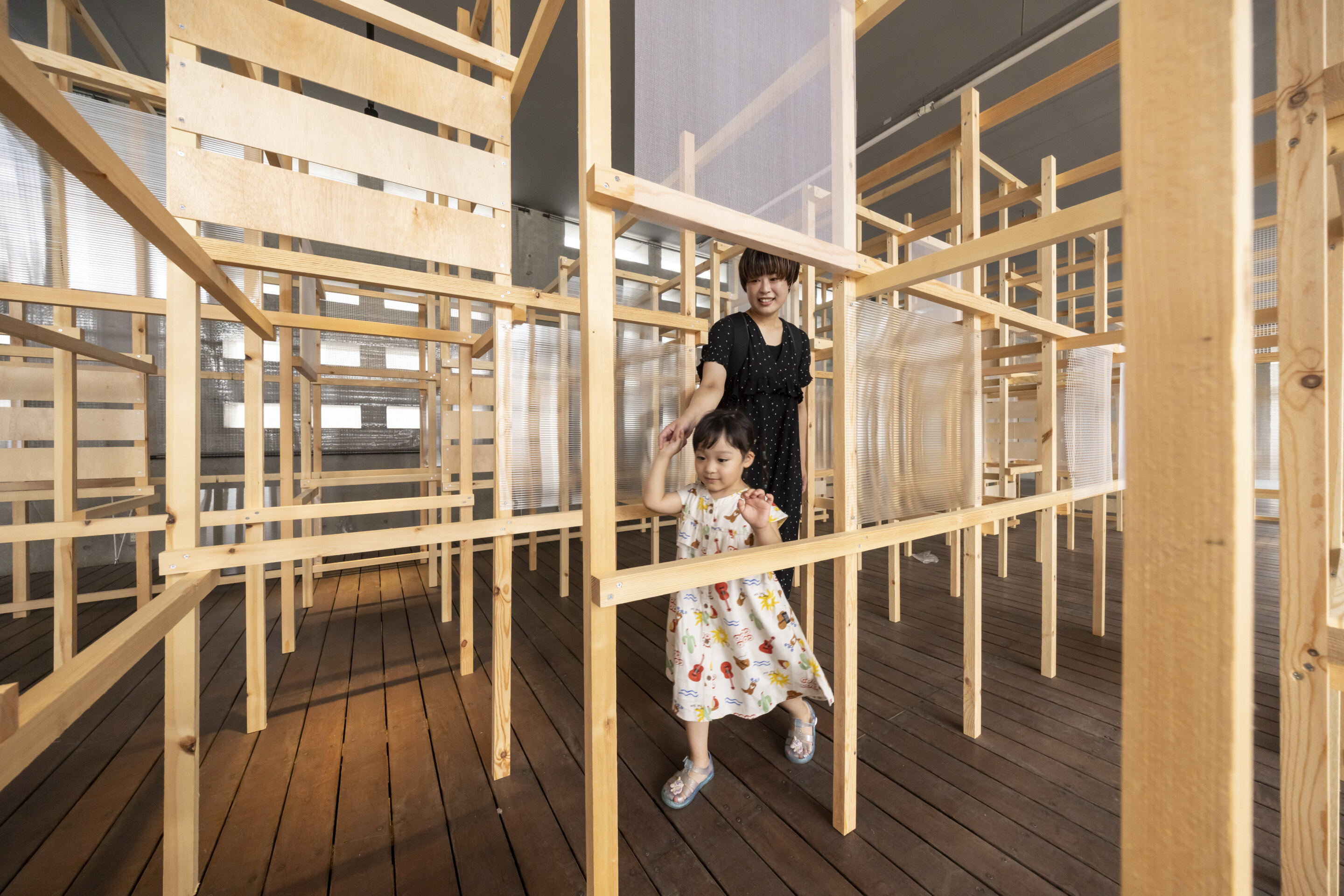
Photo © Nakamura Osamu
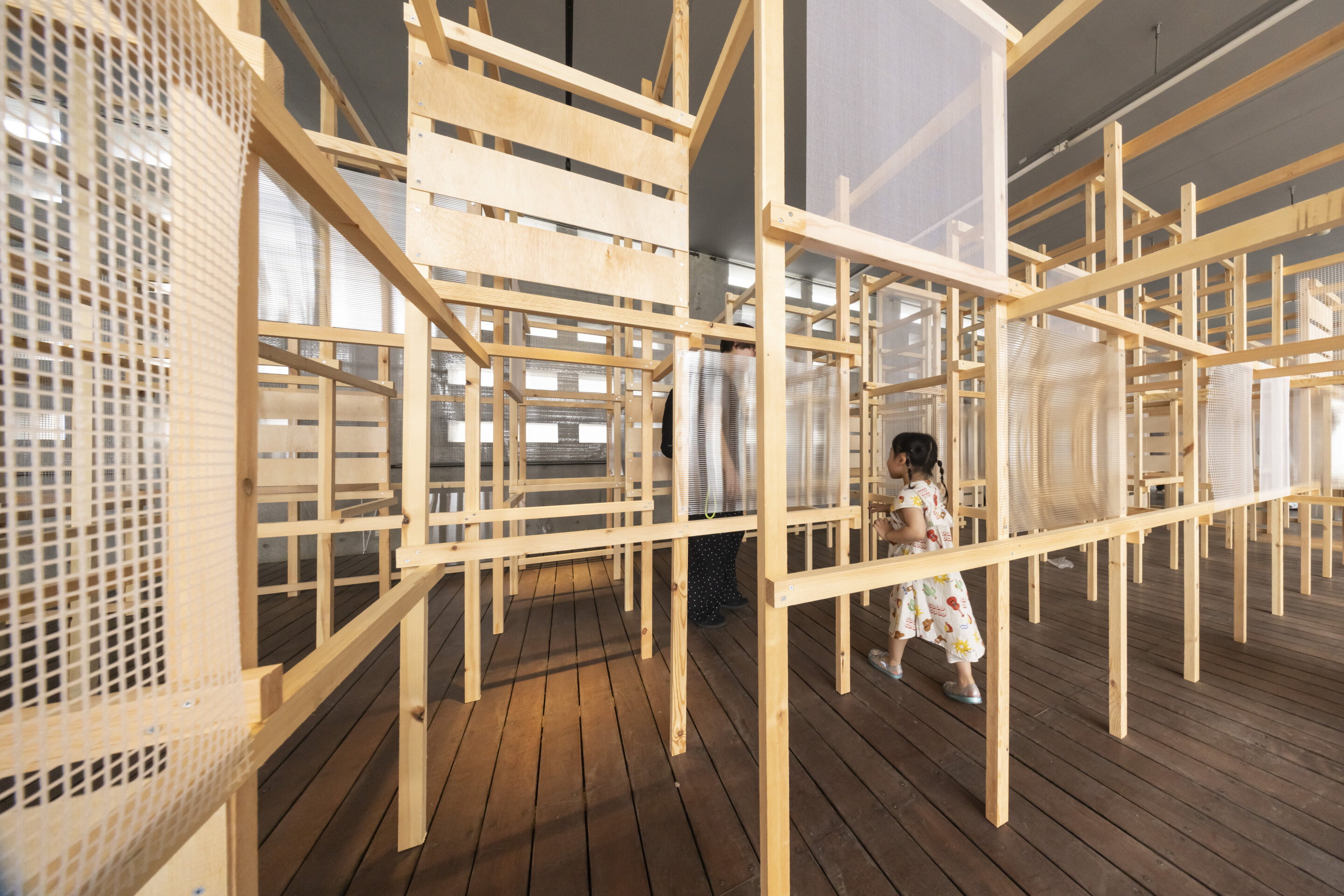
Photo © Nakamura Osamu
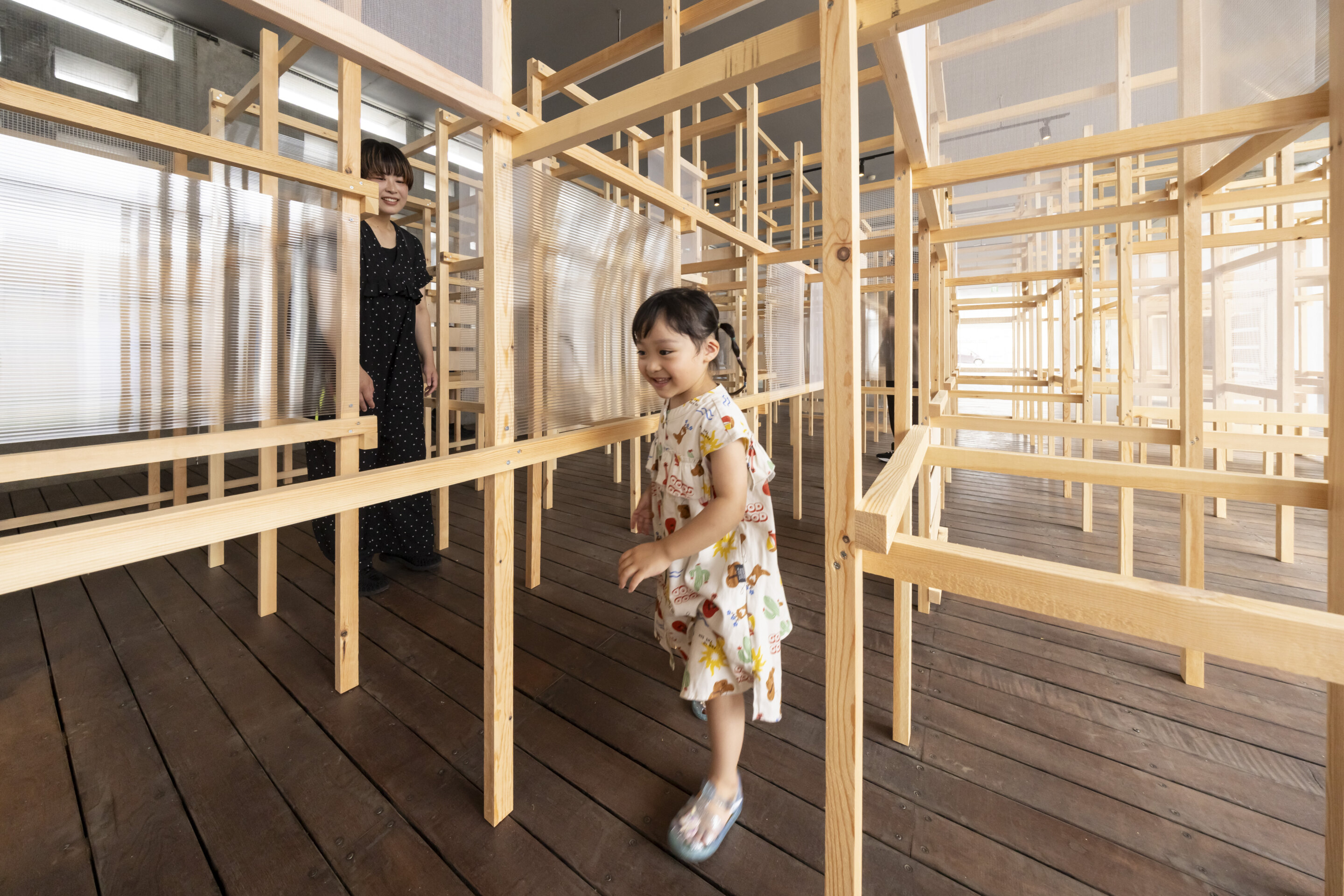
Photo © Nakamura Osamu
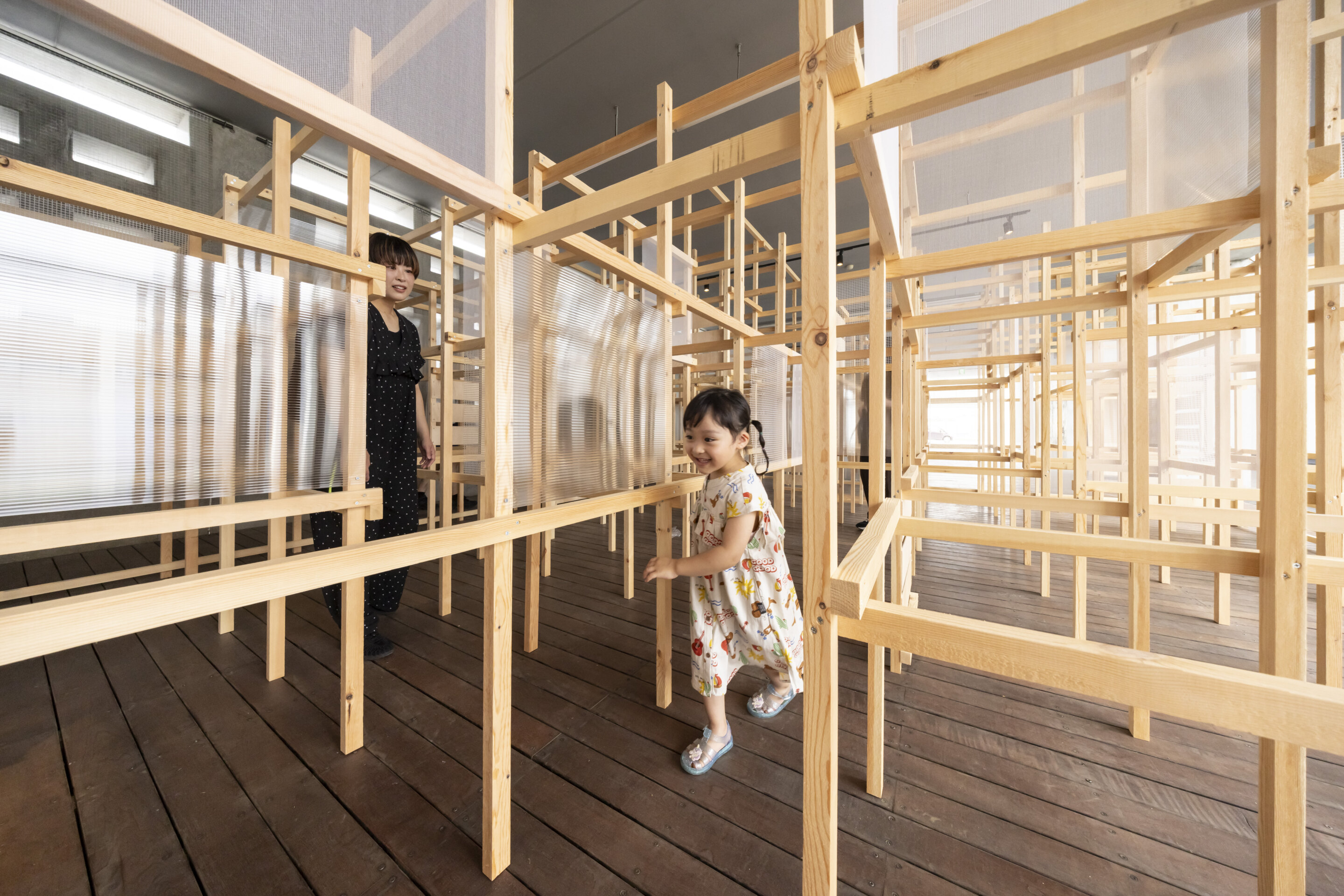
Photo © Nakamura Osamu
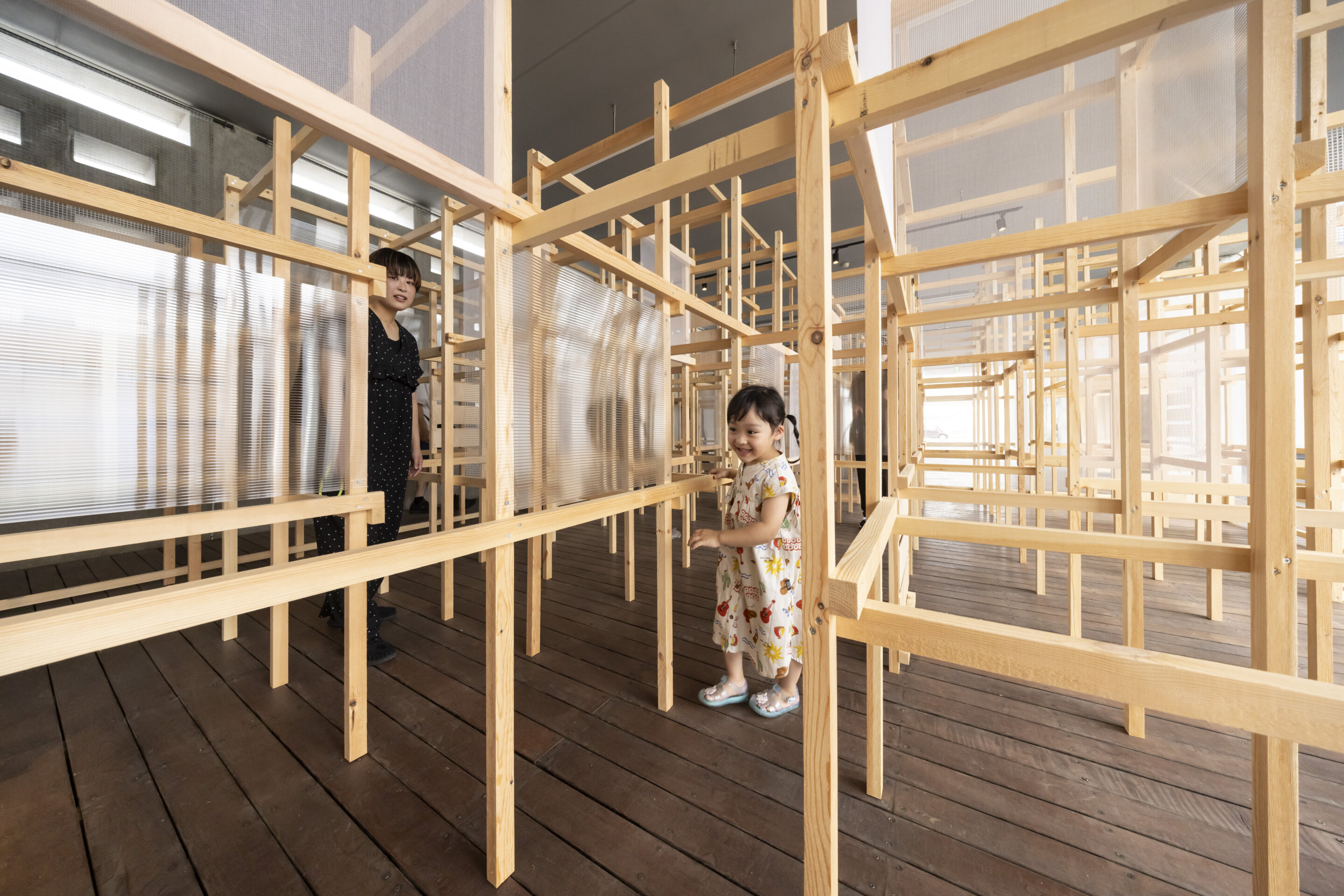
Photo © Nakamura Osamu
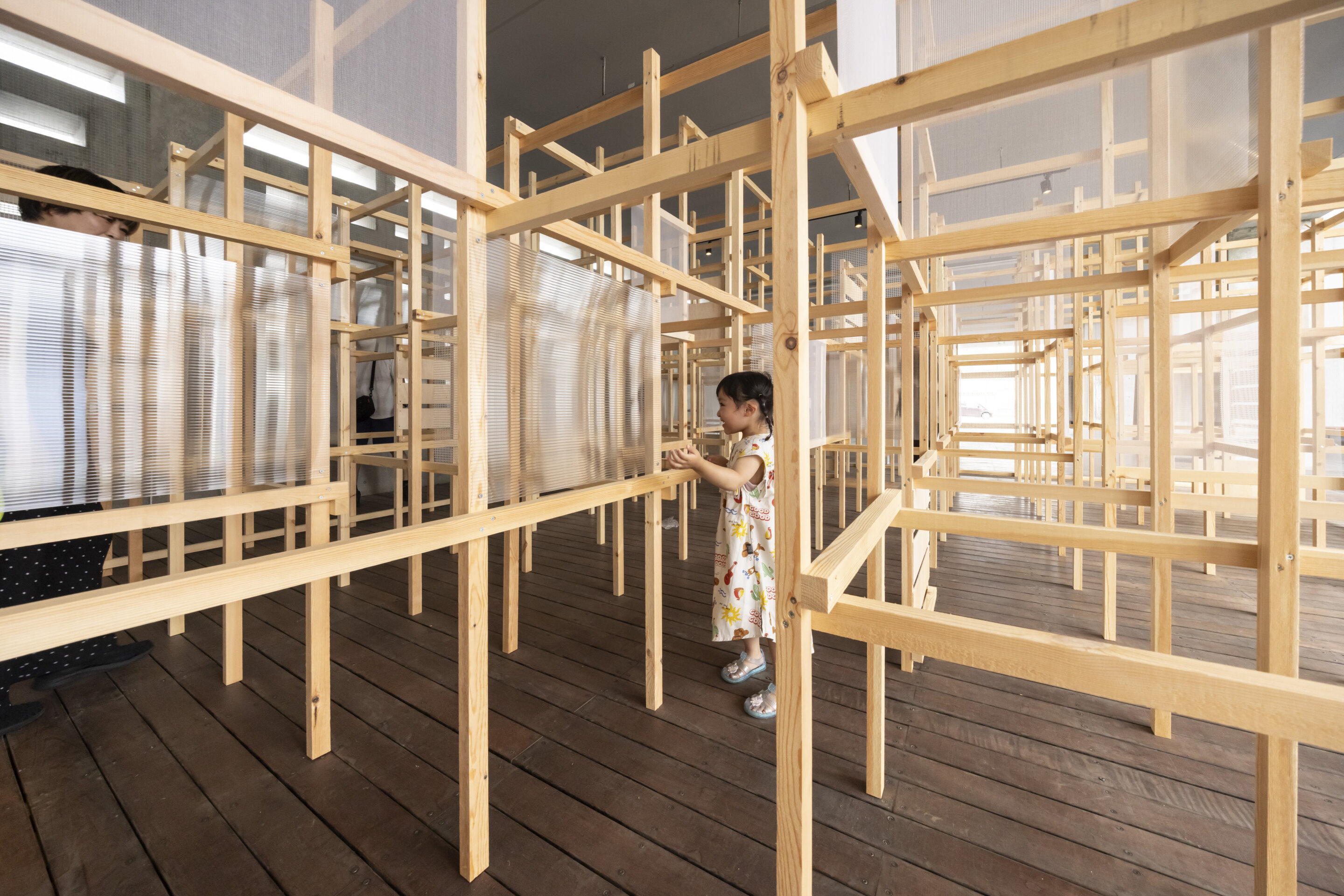
Photo © Nakamura Osamu
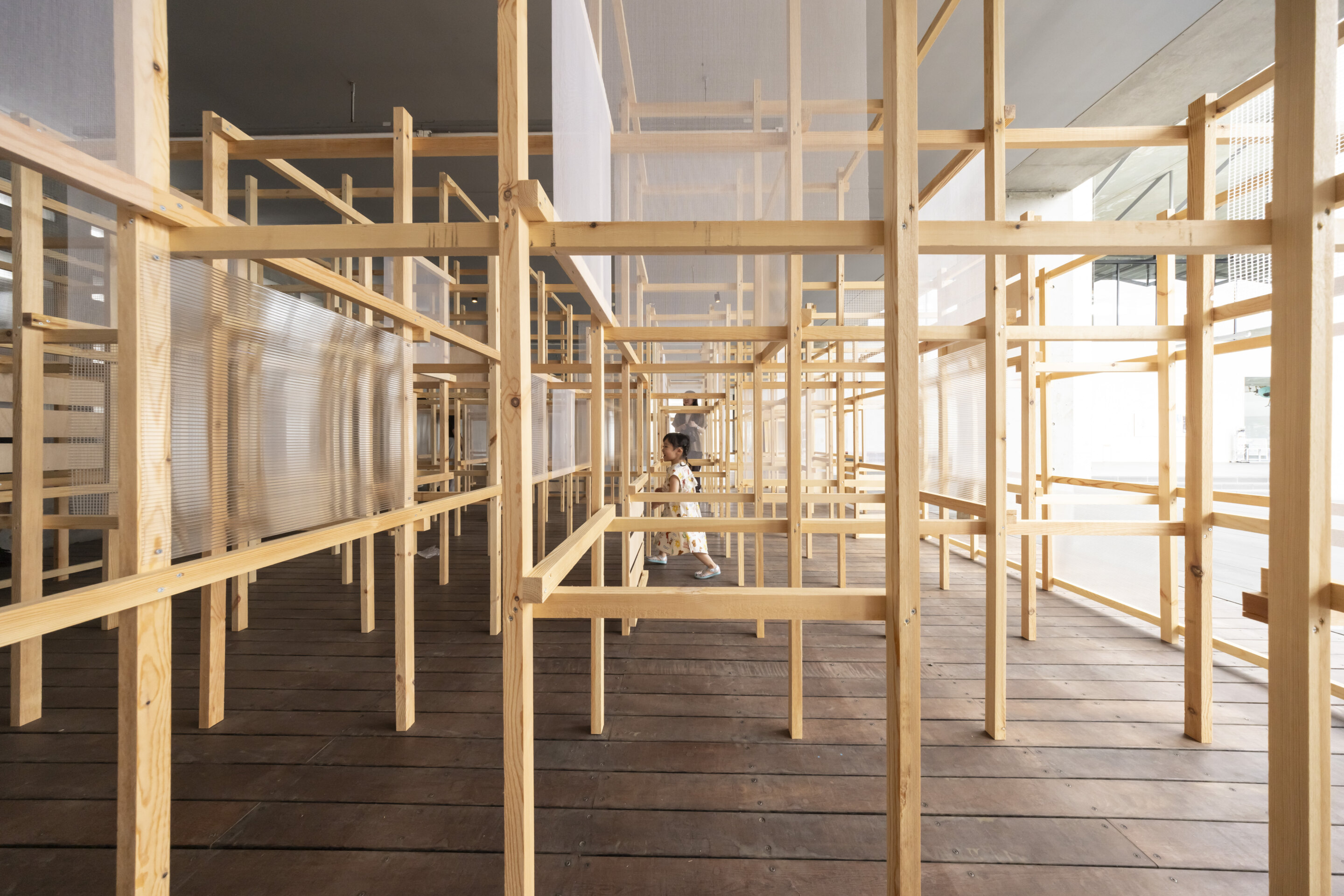
Photo © Nakamura Osamu
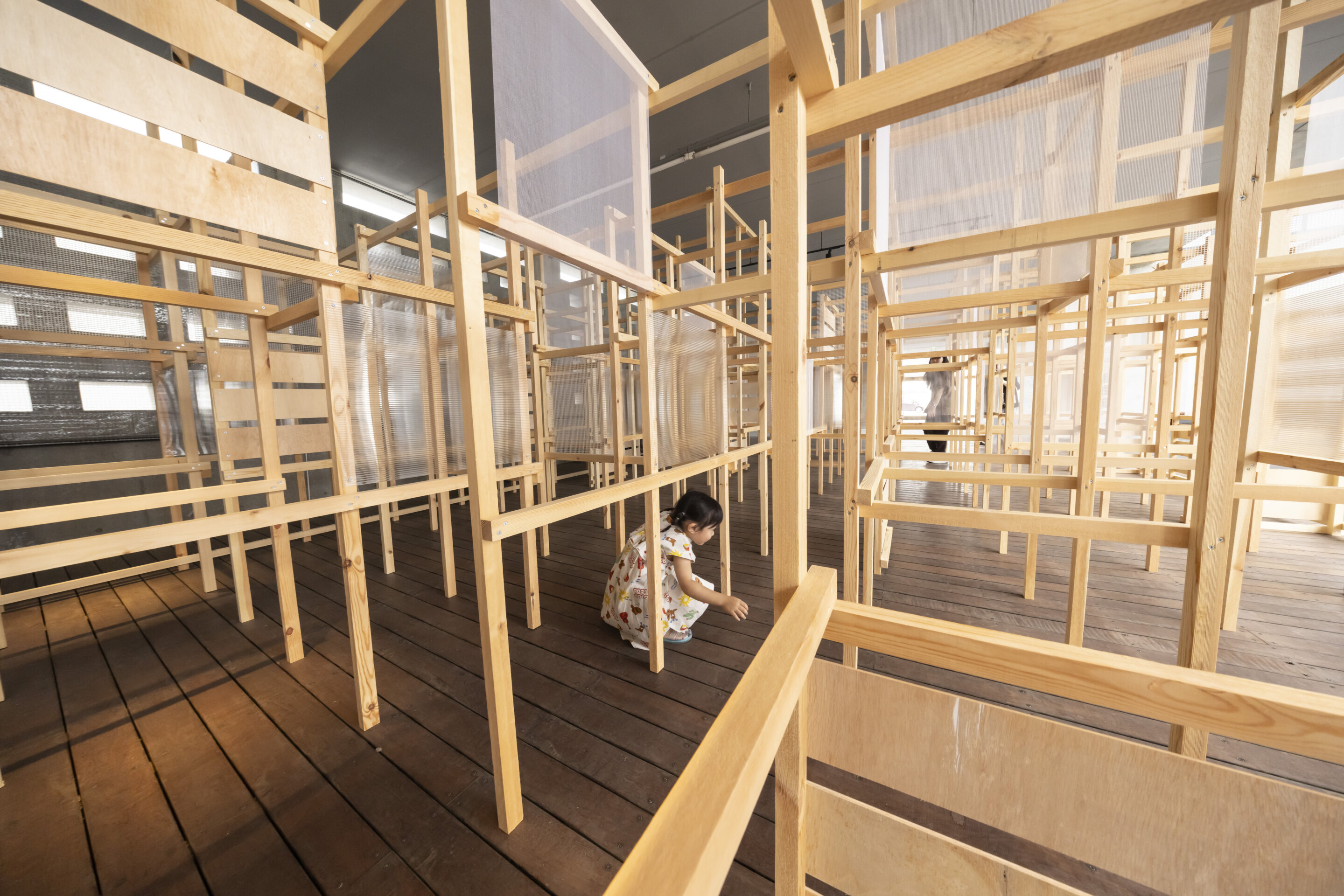
Photo © Nakamura Osamu
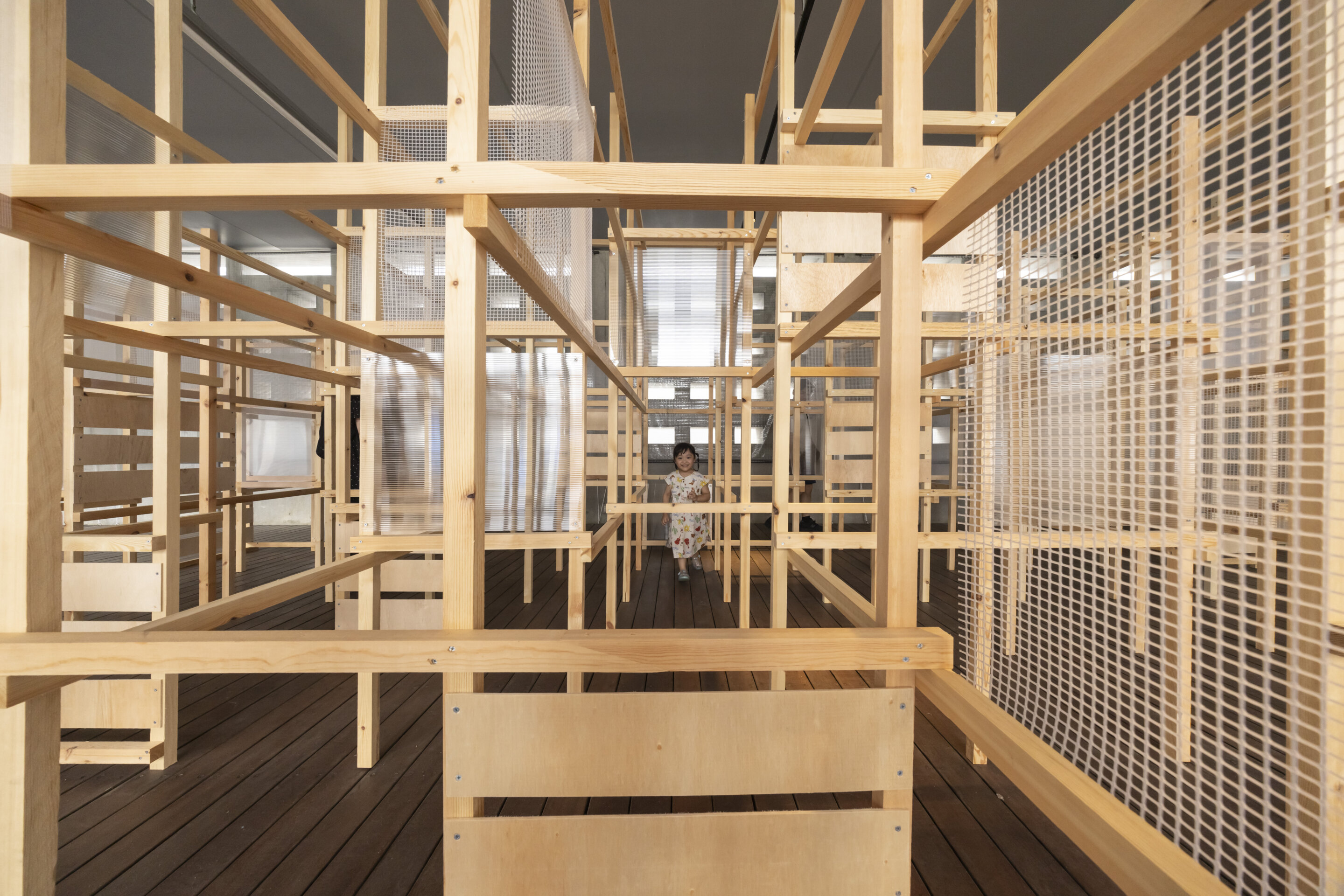
Photo © Nakamura Osamu
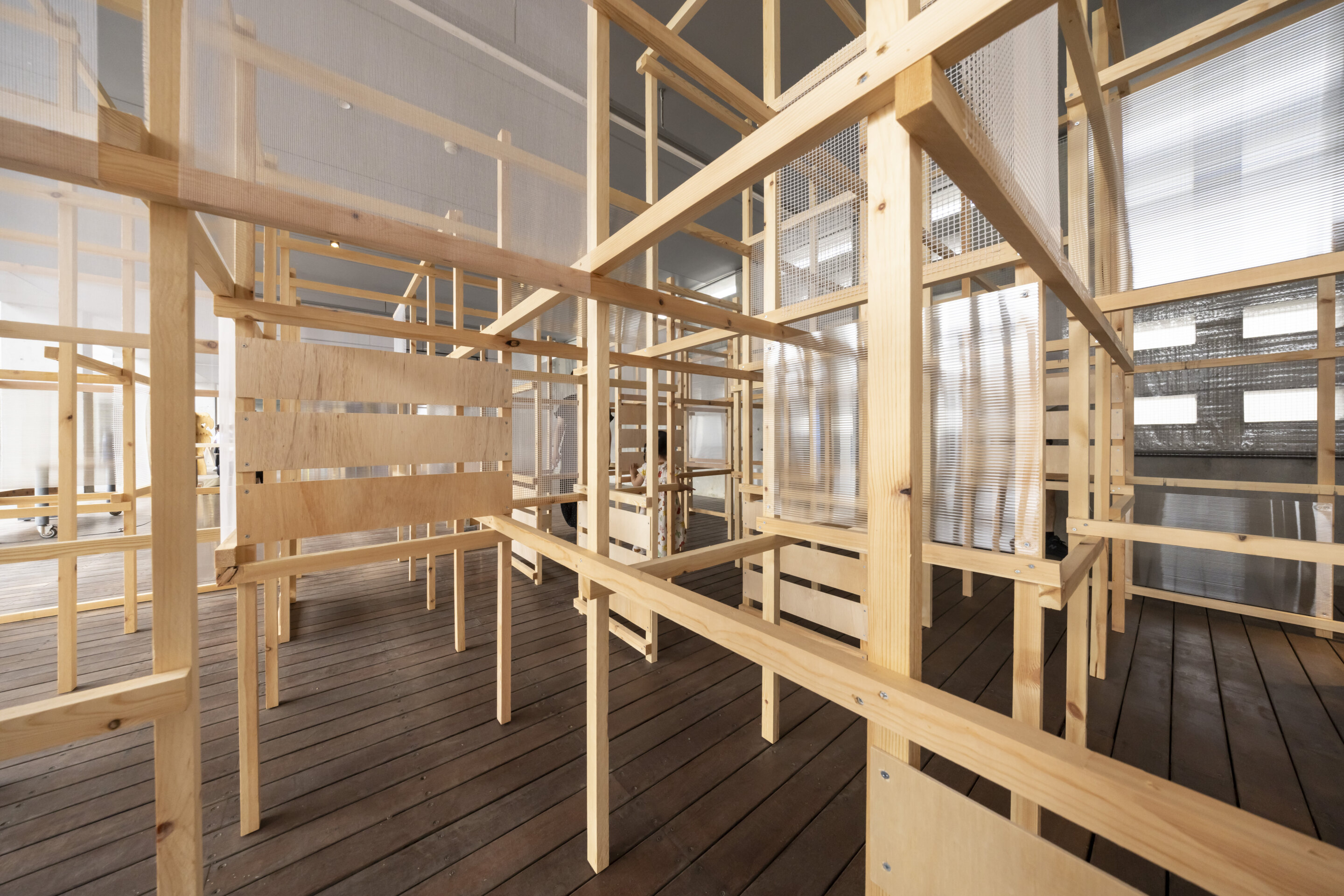
Photo © Nakamura Osamu
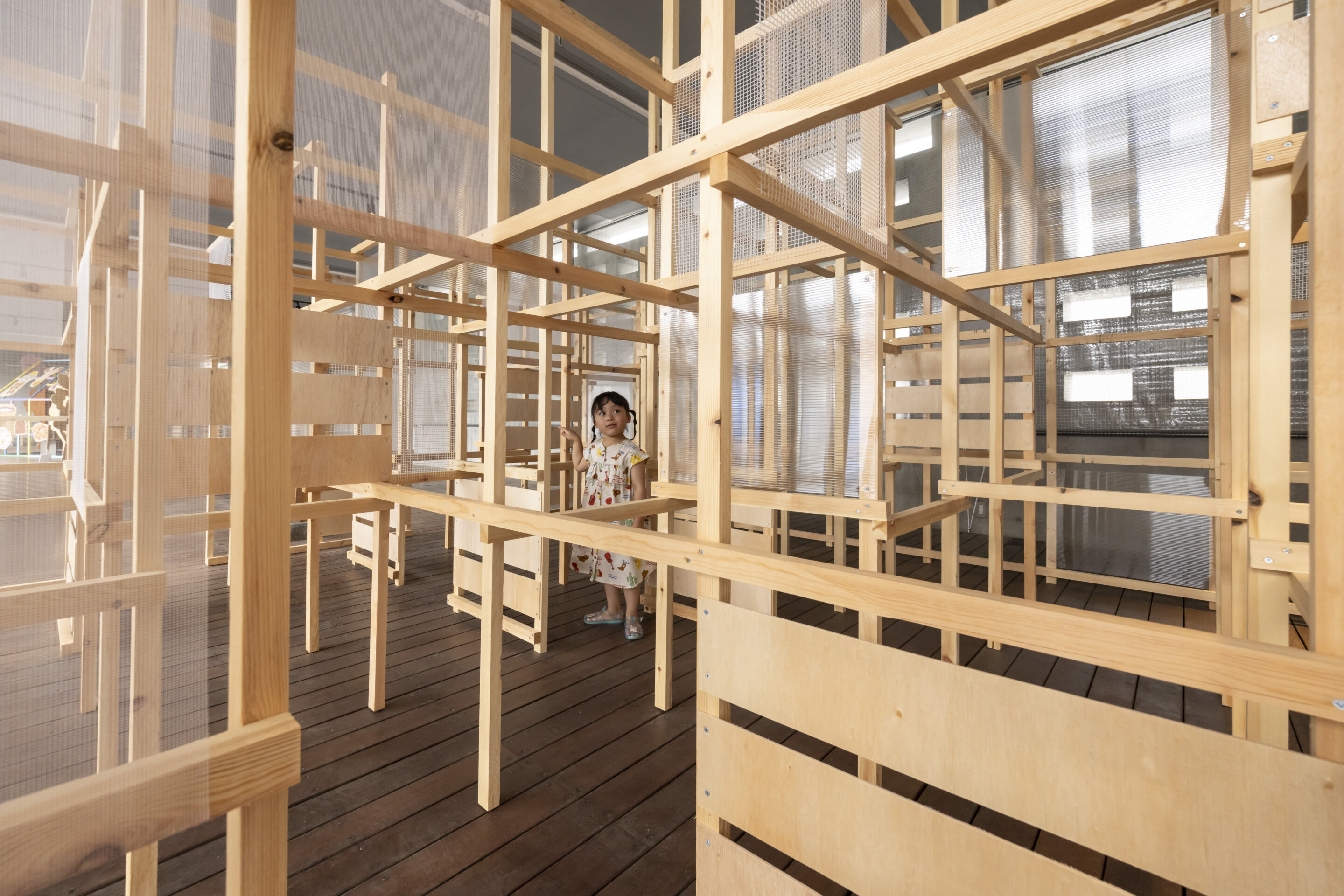
Photo © Nakamura Osamu
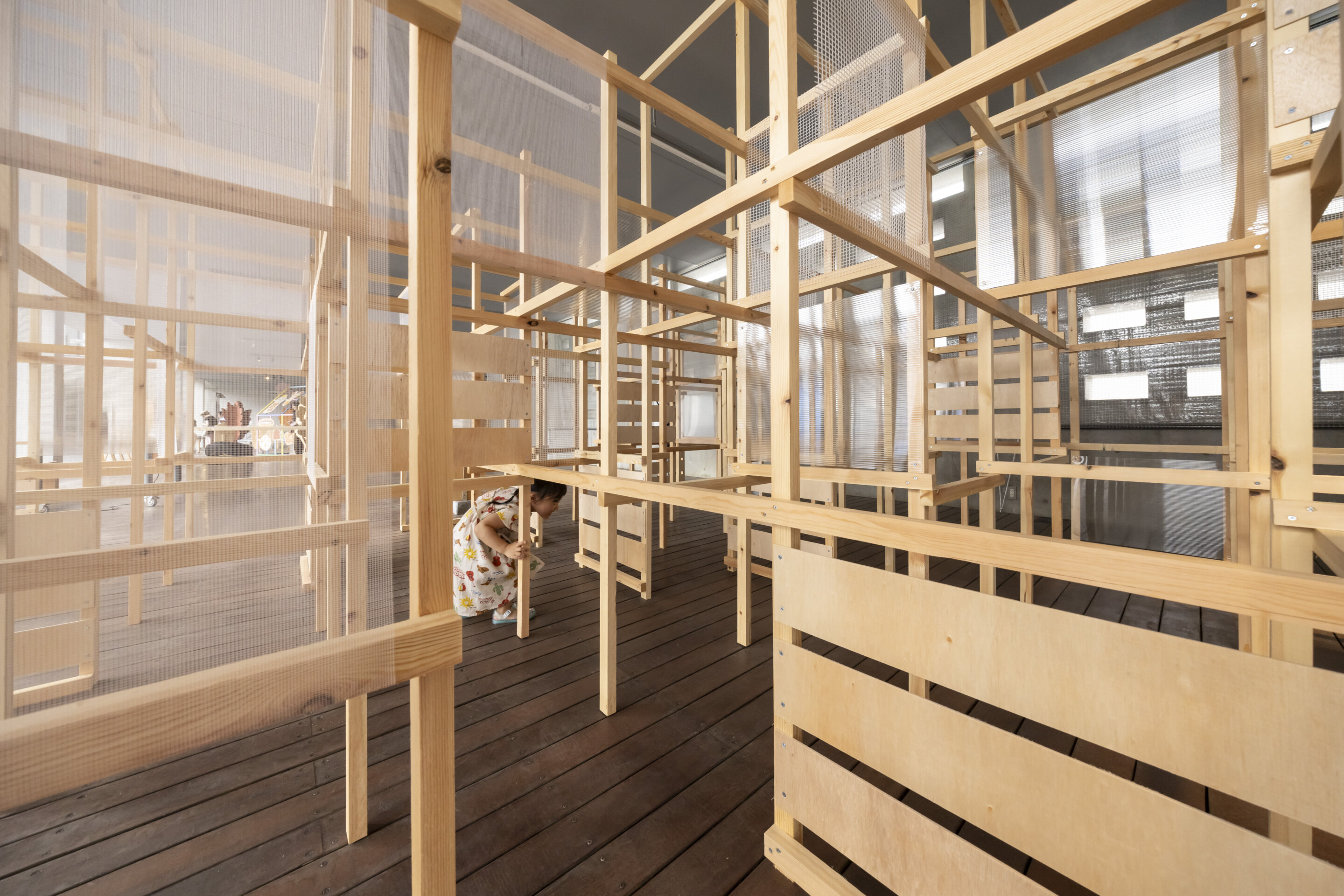
Photo © Nakamura Osamu
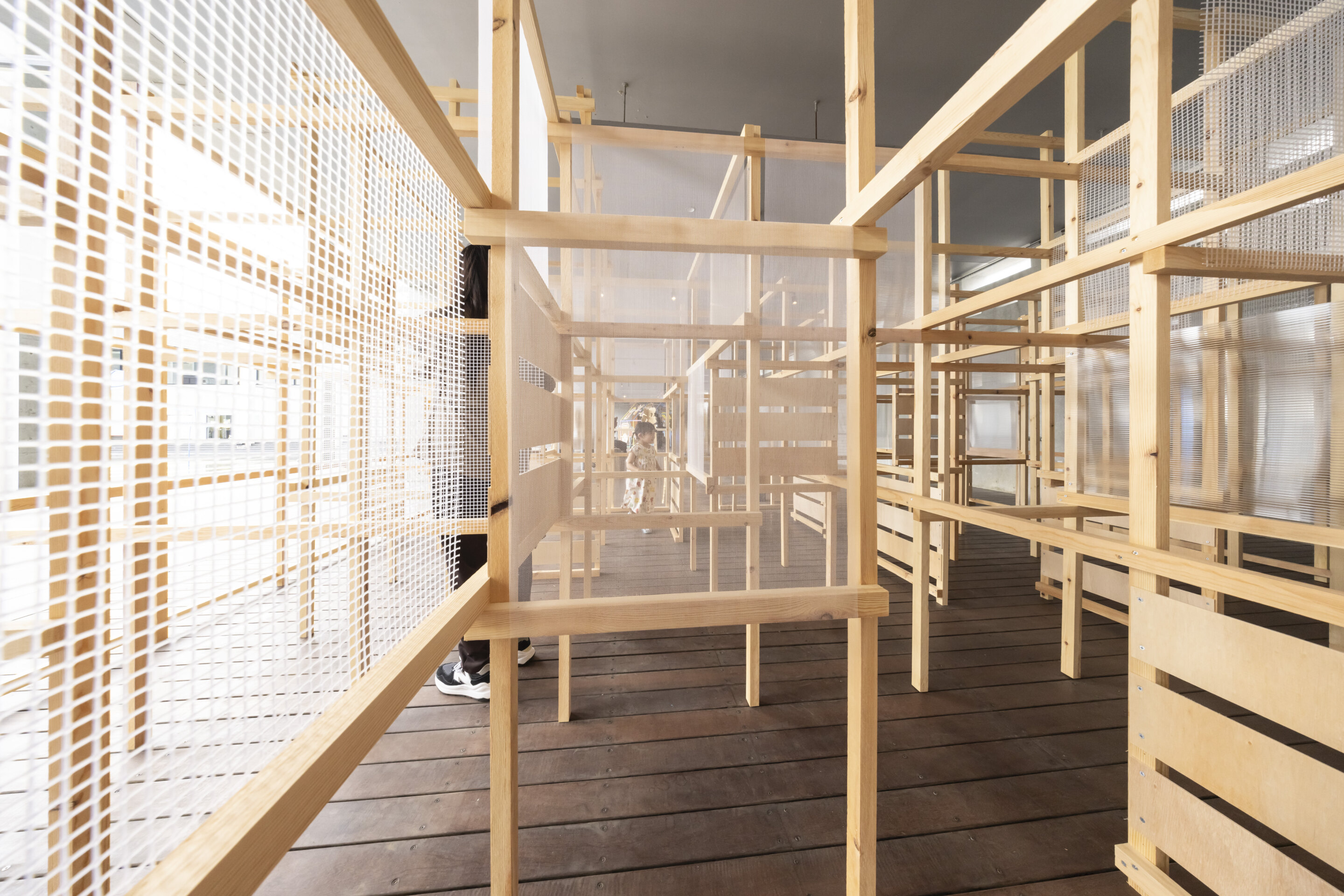
Photo © Nakamura Osamu
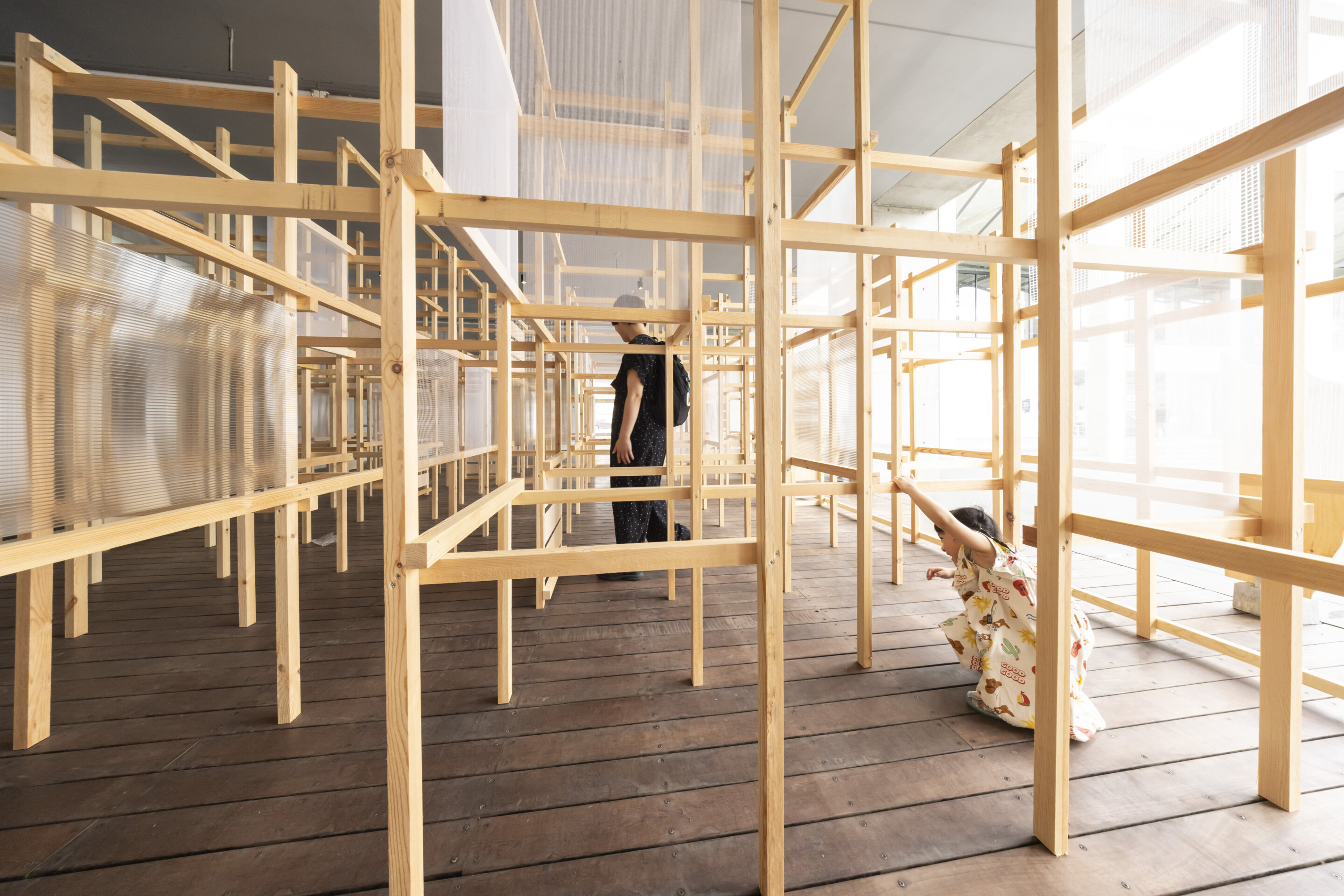
Photo © Nakamura Osamu
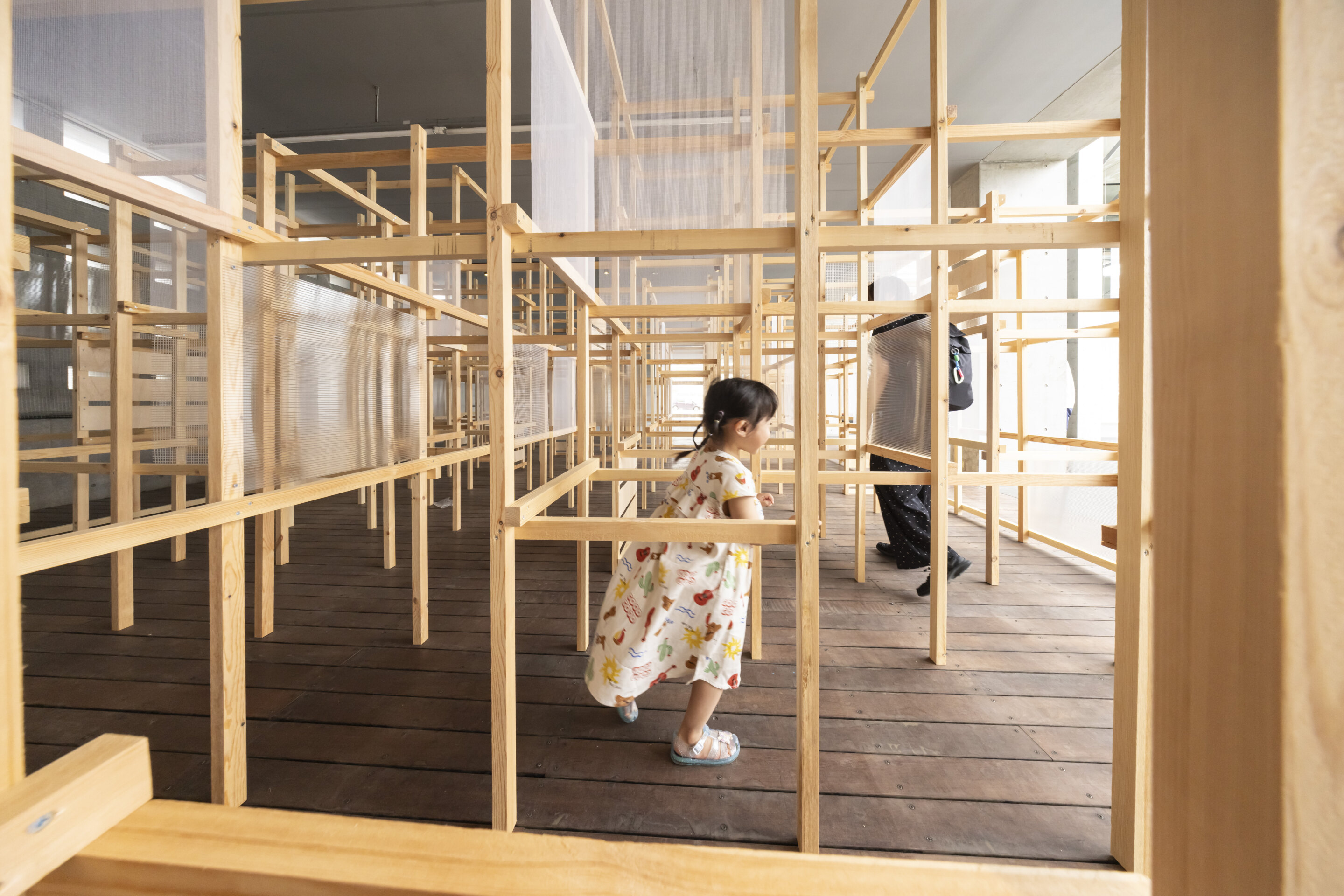
Photo © Nakamura Osamu
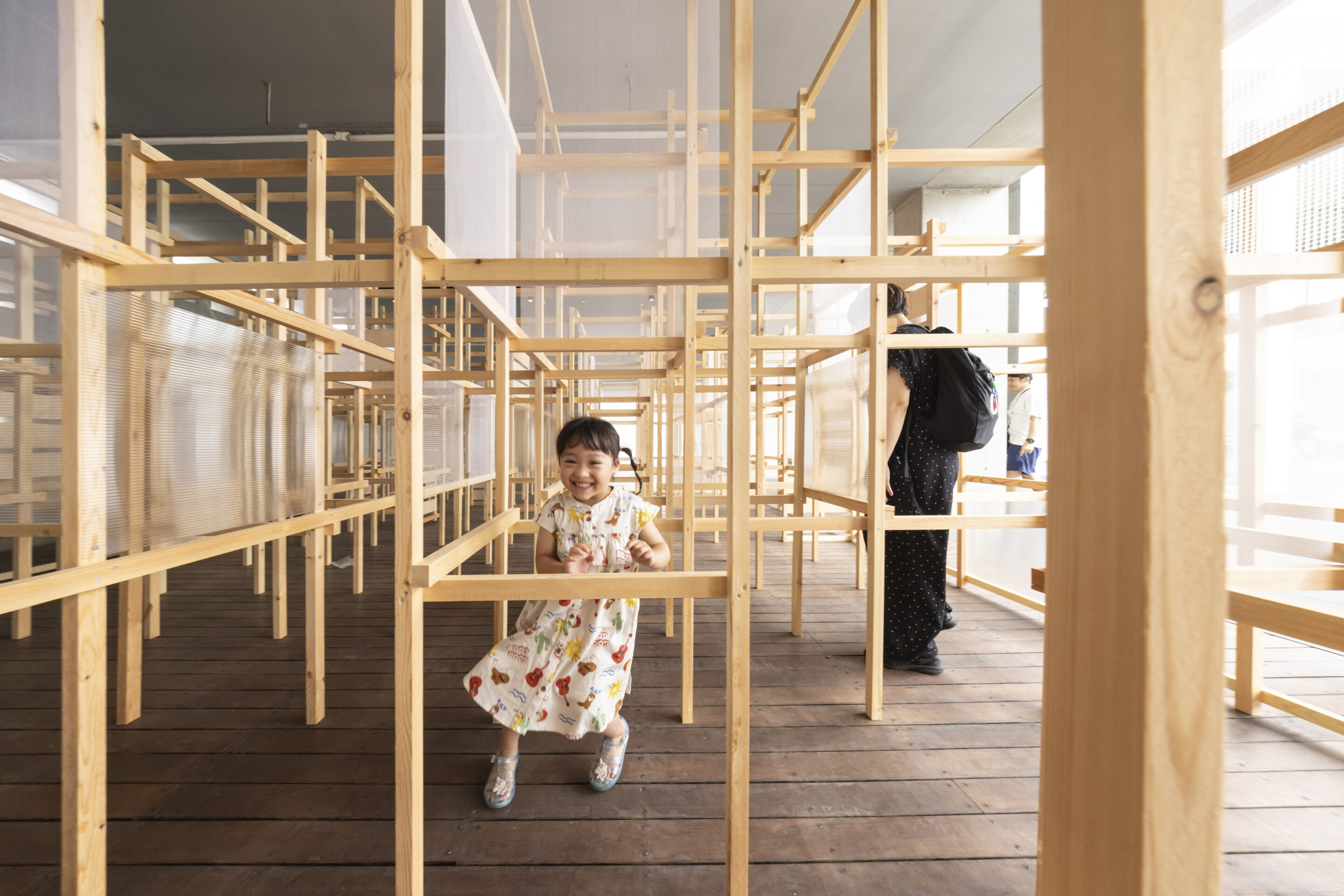
Photo © Nakamura Osamu
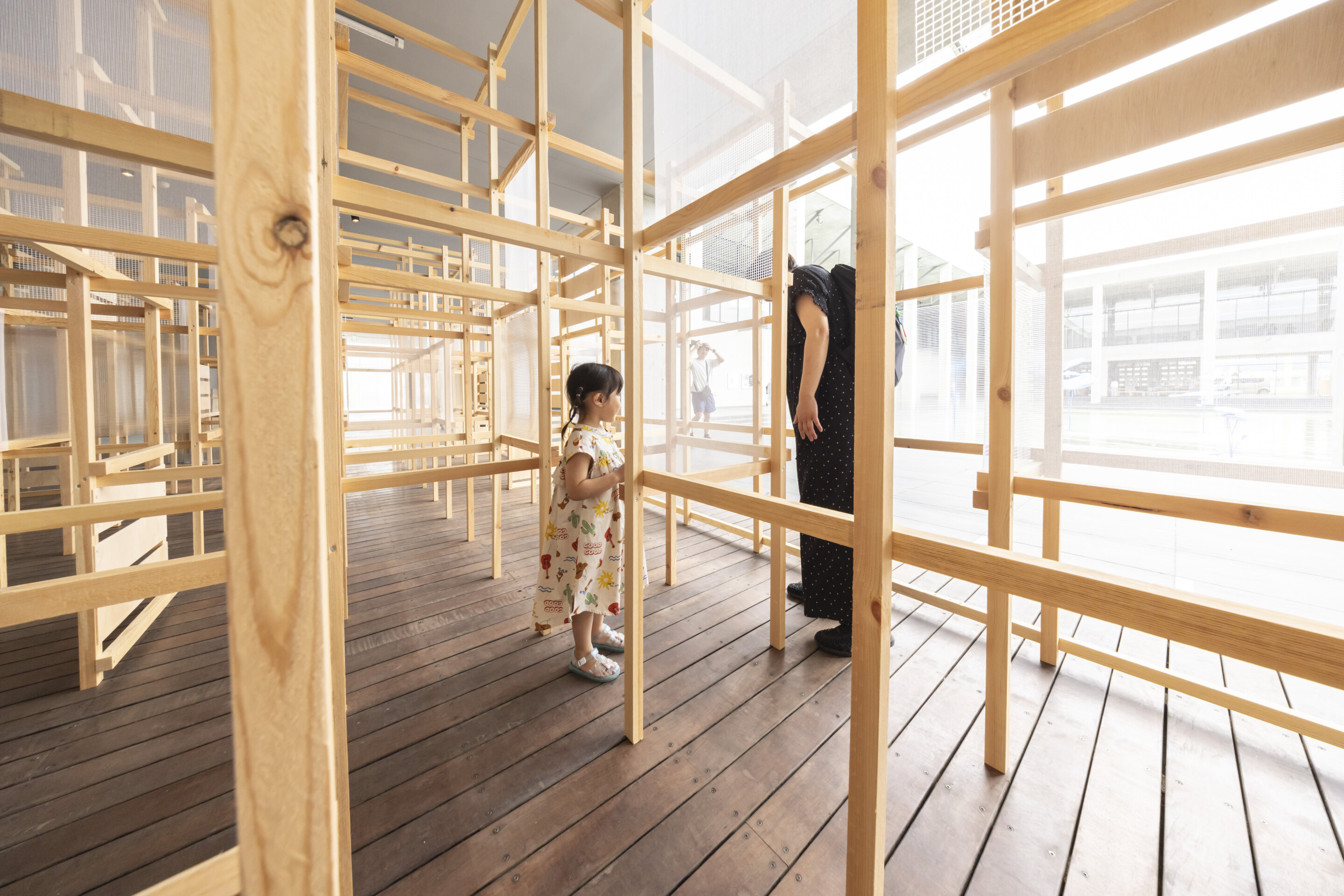
Photo © Nakamura Osamu
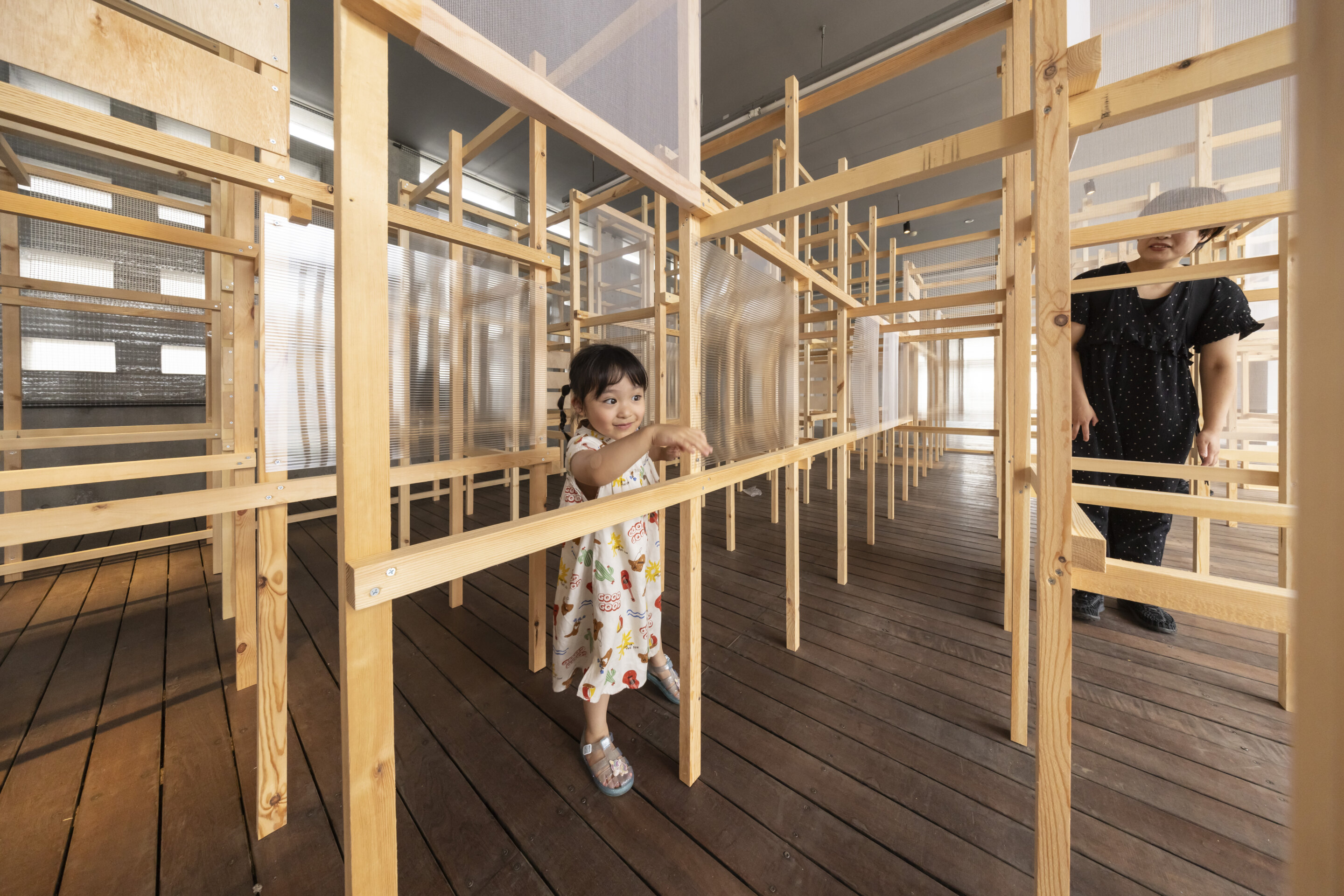
Photo © Nakamura Osamu
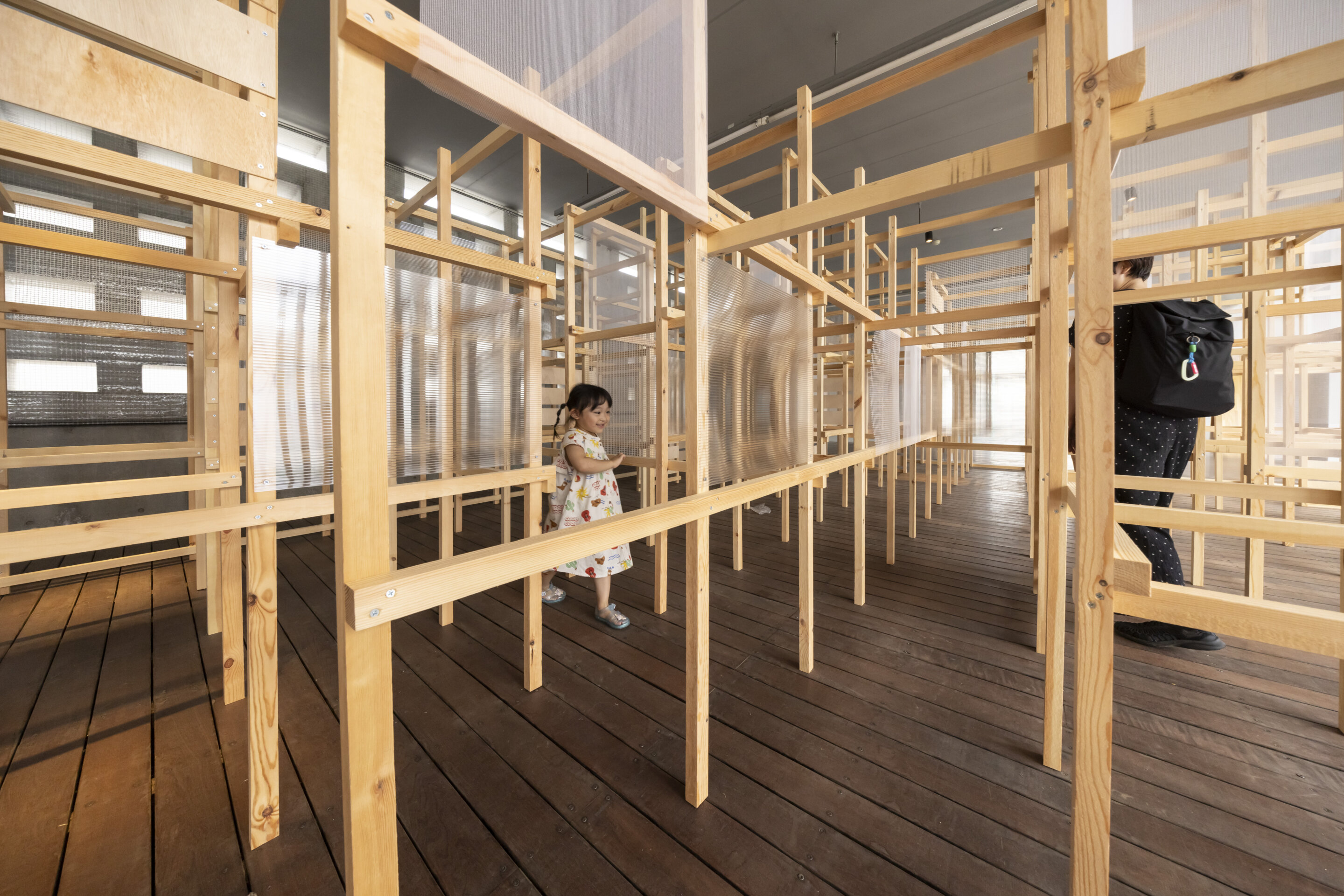
Photo © Nakamura Osamu
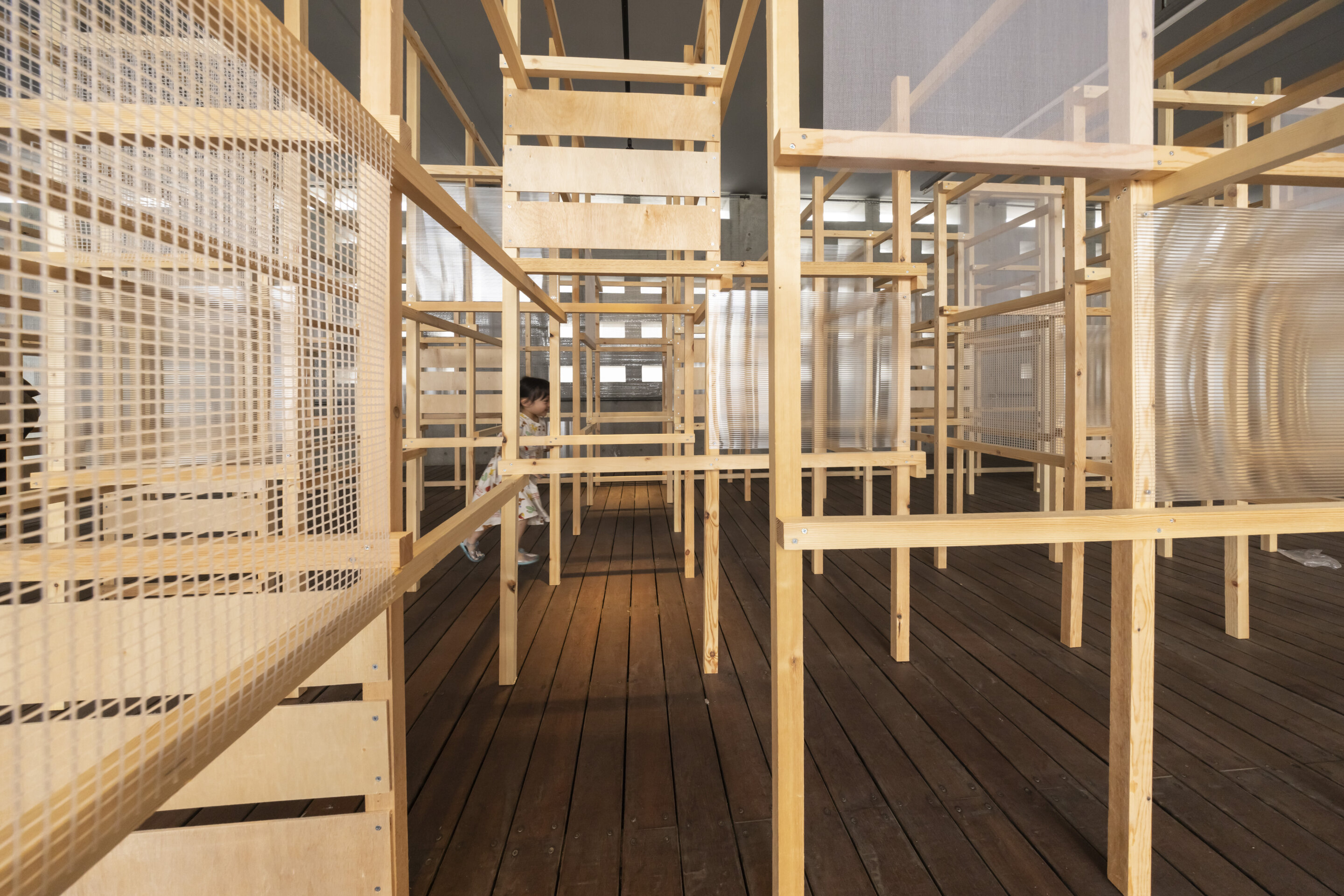
Photo © Nakamura Osamu
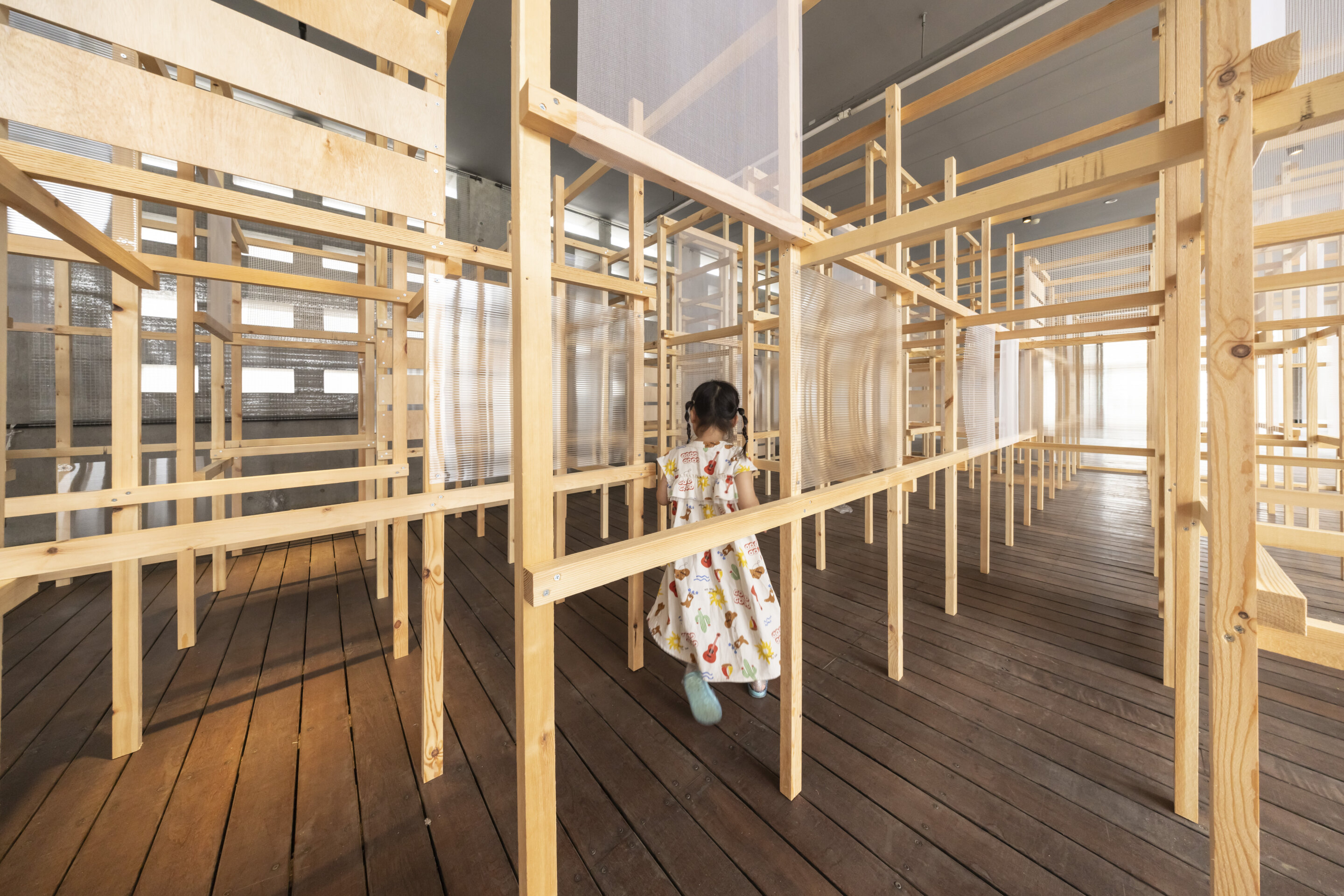
Photo © Nakamura Osamu
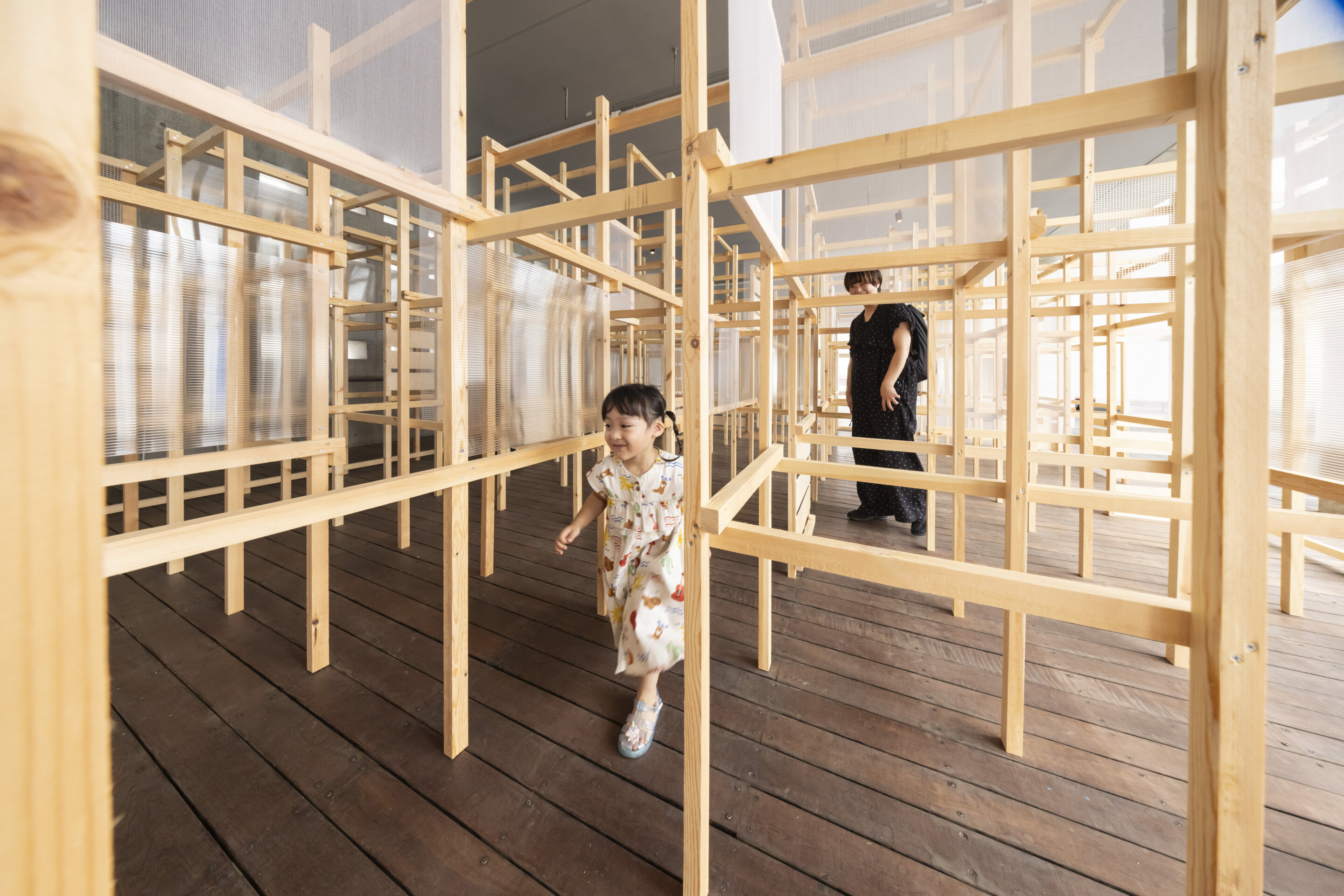
Photo © Nakamura Osamu
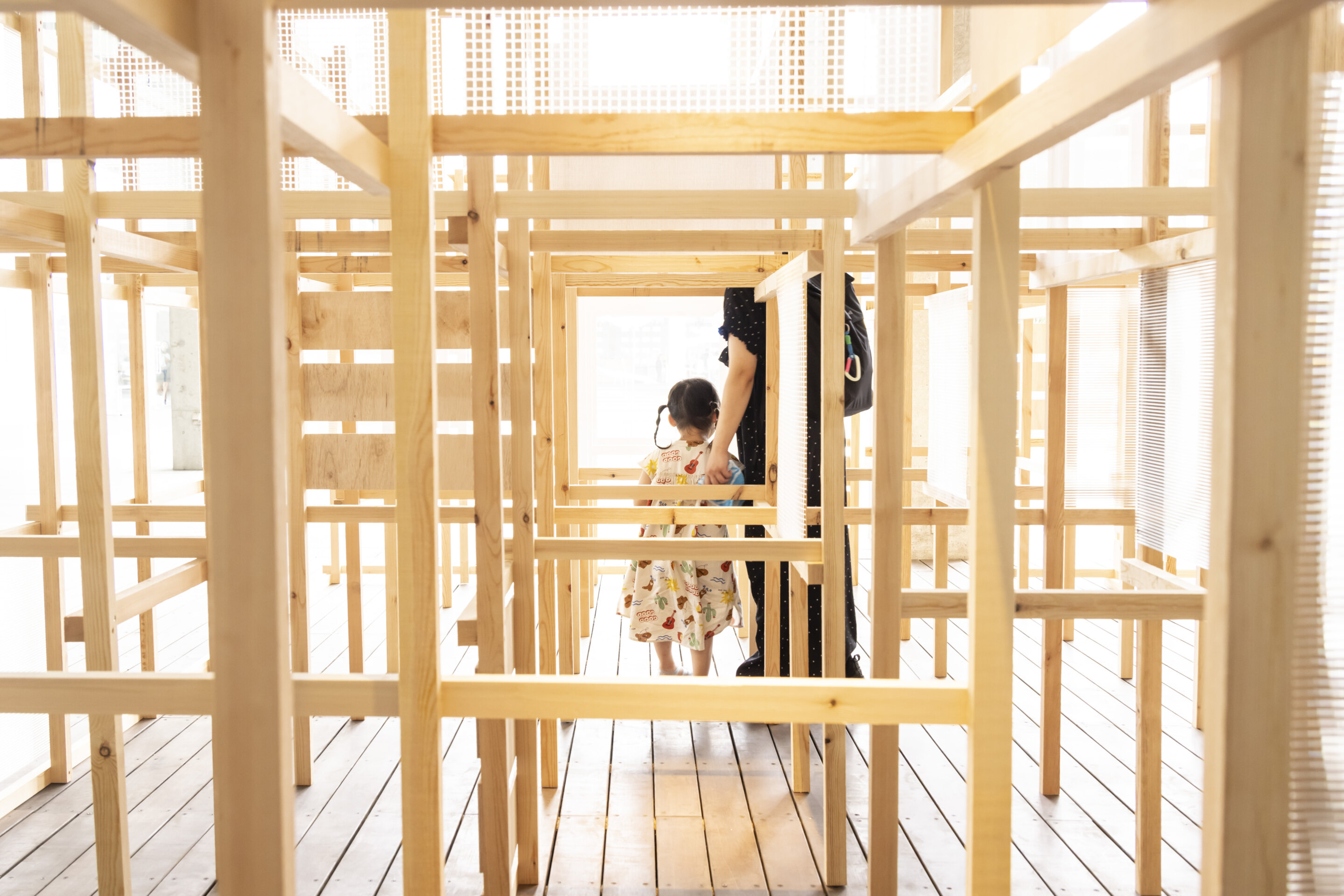
Photo © Nakamura Osamu
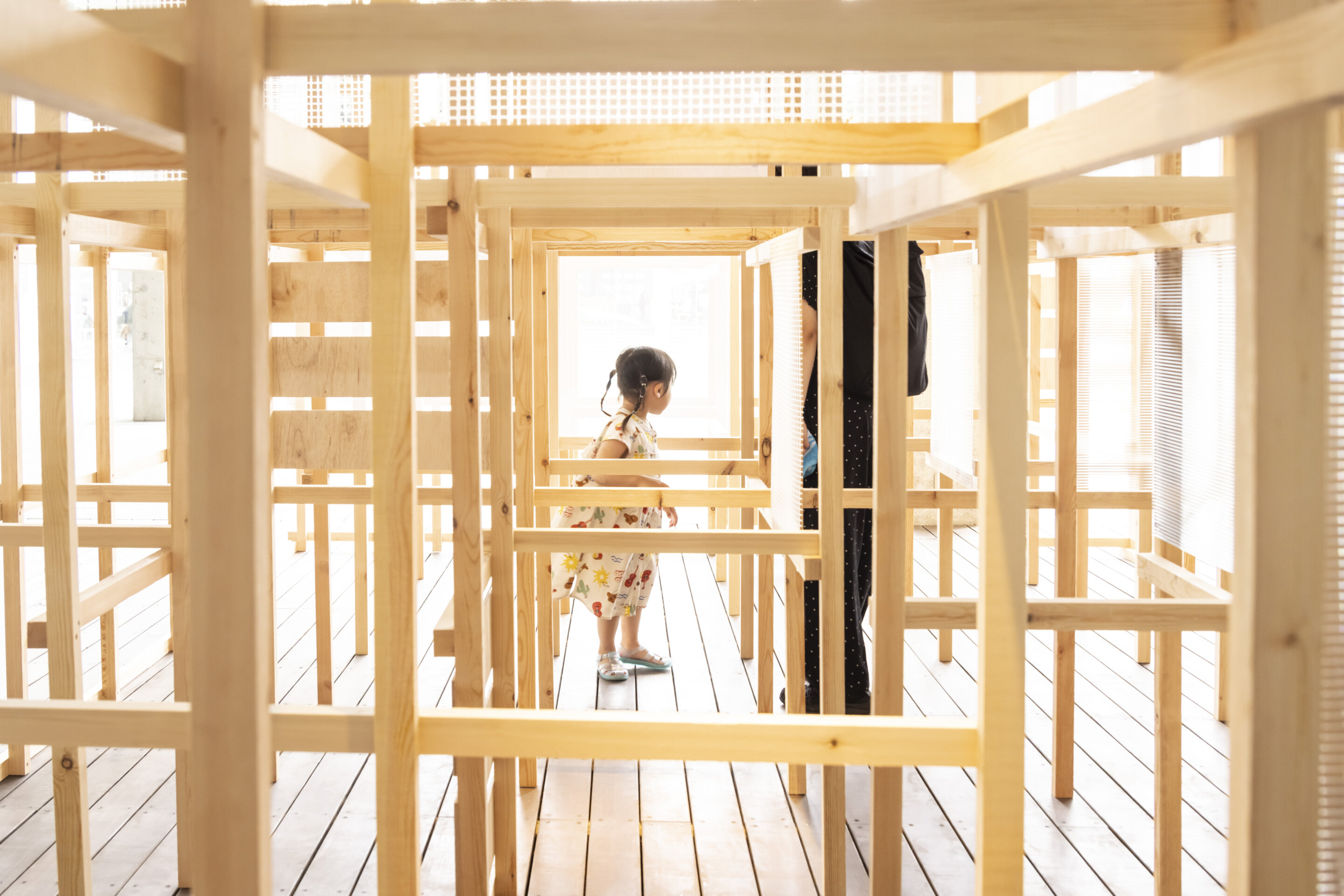
Photo © Nakamura Osamu